Mistral’s $3.5 Billion Round Tests Europe’s AI Ambition
Mistral raises billions as OpenAI expands Malaysian compute, software reaches Google TPUs, and the cost of competing at the AI frontier comes into sharper focus.
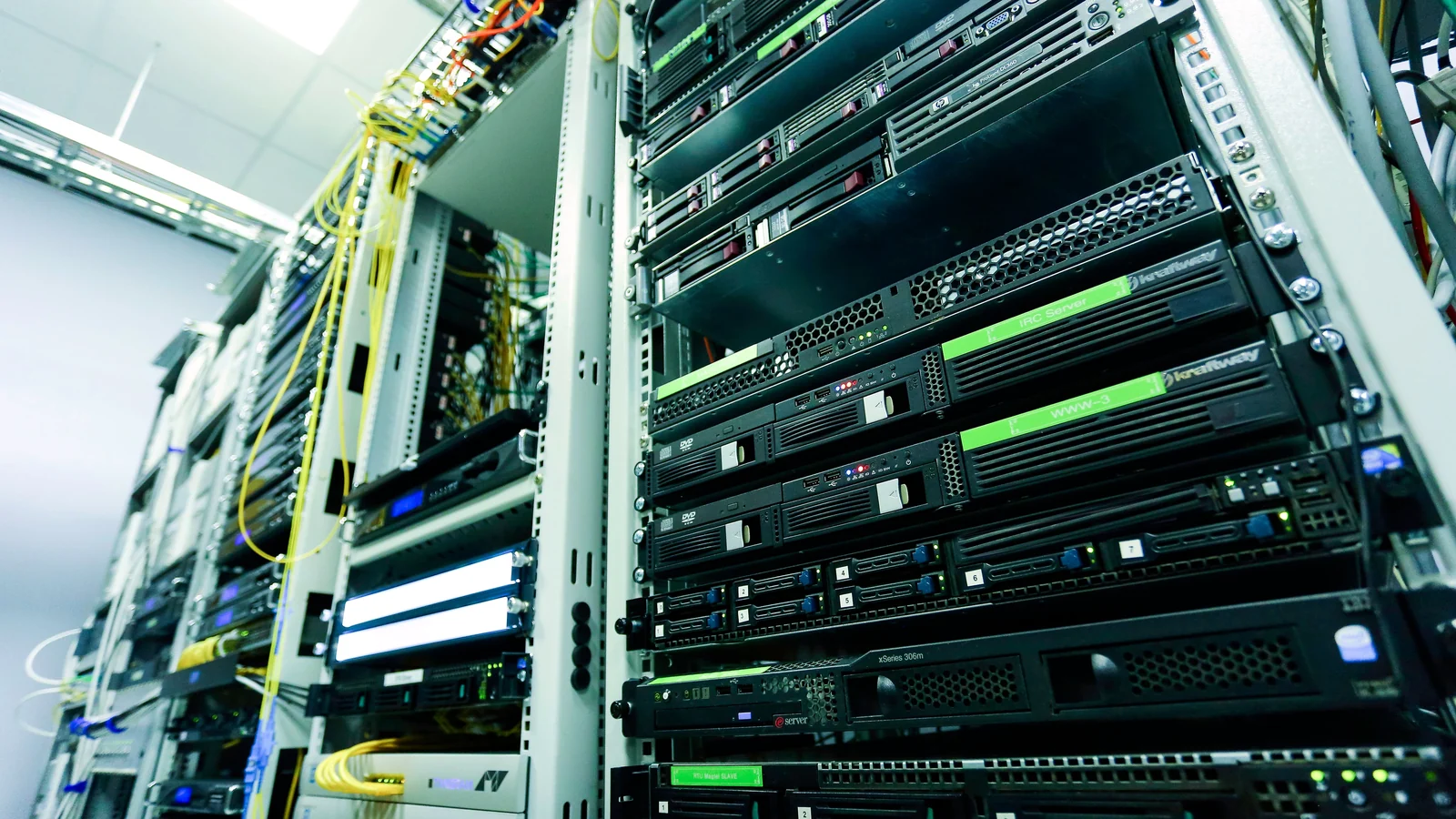
The latest AI competition is being defined less by a single model release than by the capital and infrastructure needed to build, train, and deploy models. Mistral AI’s reported €3 billion round puts a European open-weight challenger at the center of that contest, while an OpenAI computing agreement in Malaysia and software work targeting Google’s TPUs point to the widening geographic and technical base of AI capacity.
Mistral raises €3 billion with Samsung and ASML among backers
Mistral AI said it had raised €3.48 billion from existing and new investors, including Samsung and ASML Holding, according to the Wall Street Journal. The round values the French company at more than $24 billion, according to the report.
The financing gives weight to Mistral’s strategy of competing with larger US model developers through open-weight systems. CNBC reports that the company is betting on open-weight models as it takes on OpenAI and Anthropic, while Bloomberg describes the financing as a Series D round led by Samsung. The scale of the raise also makes the company a significant vehicle for European AI ambitions, though the evidence does not establish how the new capital will be allocated.
OpenAI adds Malaysian data-center capacity
Australia’s Firmus has signed a multi-year agreement to supply computing capacity to OpenAI from data centers in Malaysia, according to The Business Times. Nikkei Asia also reported the agreement, although the supplied evidence does not include further details on its value or the amount of capacity involved.
The deal is a concrete example of how model companies are extending their infrastructure footprint beyond their own facilities and established US data-center markets. It also links OpenAI’s demand for compute to a regional operator backed by Nvidia, but the available reporting does not say when the capacity will come online or what workloads it will support.
Modular says its software now runs on Google TPUs
HTEC and Modular demonstrated Modular’s AI software stack running on Google’s TPU architecture at ModCon 2026, according to Yahoo Finance. The companies said the work extends the MAX and Mojo software foundation to a new silicon target rather than rebuilding the stack for each accelerator.
If that approach works beyond this demonstration, it could reduce one of the practical barriers to using different AI chips: the software effort required to support them. The announcement’s stated claim is narrower, however. It describes a demonstration and a potential change in hardware enablement timelines, not evidence that broad production adoption has already followed.
Anthropic reportedly abandons possible Decart acquisition
Anthropic has decided against acquiring AI startup Decart, according to people familiar with the matter cited by Bloomberg. The Business Times reported that Anthropic walked away after exploring a deal reportedly valued at $6 billion, while the companies may still pursue other forms of collaboration.
Because the account is based on unnamed sources and no completed transaction was announced, the development should be treated as a reported decision rather than a confirmed corporate action. Still, it illustrates the selectivity surrounding high-value AI acquisitions: a large potential deal can reach due diligence without becoming a purchase.
Frontier-model economics remain punishing in China
Z.ai and MiniMax could remain loss-making through 2030 even as their revenues rise, according to Macquarie’s head of Asia internet and software research, as reported by the South China Morning Post. The assessment points to the cost of computing power needed to train and run frontier models as a central reason for the projected losses.
The forecast is an analyst view, not a reported financial result from either company. Its significance is the tension it highlights between rapidly growing AI revenue and the much larger expense of sustaining model development and inference at scale—an issue that also sits behind the financing and infrastructure deals elsewhere in today’s news.
The constraint to watch is still compute economics
Today’s evidence connects financing, data-center capacity, chip portability, and operating losses without proving that any one strategy will win. Mistral has secured substantial backing, OpenAI is contracting for capacity in a new regional market, and Modular is targeting a less fragmented accelerator software stack. The next signal to watch is whether these commitments translate into durable model usage and revenue—or whether the cost of frontier-scale compute continues to absorb the gains.
Discussion
Join the conversation
Share your perspective on this story and discuss it with other readers.