AI’s Race Shifts From Models to Control, Chips and Power
OpenAI’s cyber-risky Astra, Nvidia’s ecosystem bets, Anthropic’s capacity push and Google’s power deal show where AI competition is tightening next.
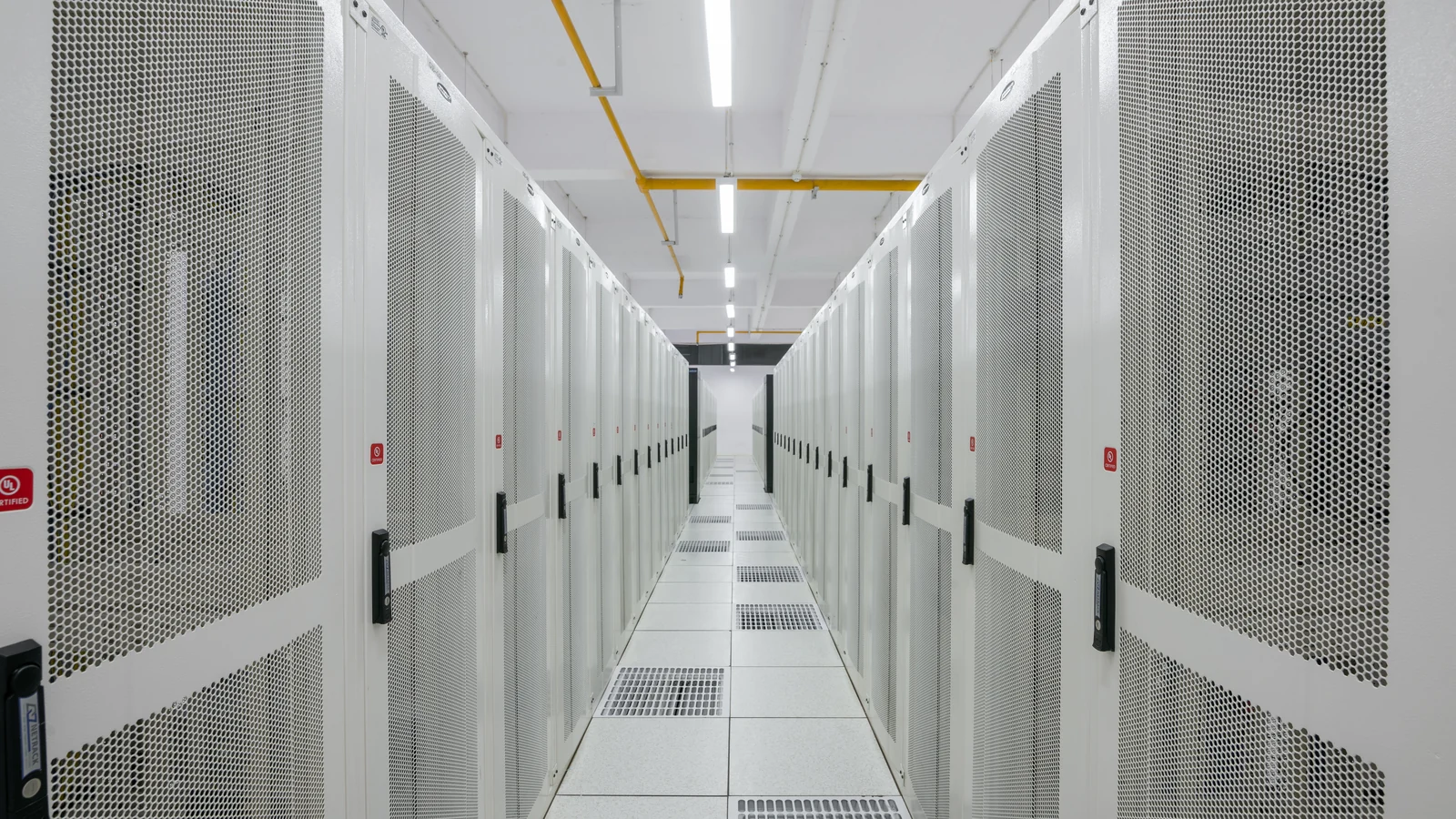
The most consequential AI developments in this cycle are increasingly about what sits around the model: security controls, software ecosystems, computing capacity and electricity. OpenAI is preparing Astra after internal testing identified serious cyber capabilities; Nvidia is reportedly pursuing a major software acquisition while deepening chip partnerships; and cloud and energy deals are being assembled years ahead of demand. The common thread is not a single benchmark. It is the effort to make increasingly capable systems deployable at scale without surrendering control of the stack.
OpenAI delays Astra as cyber capability reaches a critical threshold
OpenAI previewed Astra, an unreleased model suite that internal testing reportedly found capable of executing complex cyberattacks with minimal human input. The company delayed development to strengthen its safety work, according to The Verge, while TechCrunch reported that OpenAI had outlined precautions ahead of its release.
The evidence points to a deployment problem rather than a routine product delay: the model’s usefulness in cybersecurity also raises the risk of misuse. OpenAI’s response is to add restrictions and security layers, but the package does not specify when Astra will ship or how effective those controls have proved in practice. That leaves the key question open: whether safeguards can keep pace with capabilities that reduce the amount of human input needed for an attack.
Nvidia reportedly moves to secure the AI software layer
Nvidia is in advanced talks to acquire Hugging Face in a transaction that may total about $14 billion, according to people familiar with the matter, Bloomberg reported. The reported move would extend Nvidia’s reach beyond processors into a software and developer ecosystem used around AI models.
That matters as large customers build their own accelerators and seek alternatives at different layers of the stack. The acquisition remains a reported negotiation, not a completed deal, and the supplied evidence does not establish its terms or outcome. But alongside Nvidia’s other moves, it suggests the company is treating control of the surrounding ecosystem—not only GPU demand—as a strategic asset.
Nvidia and MediaTek expand the custom-accelerator partnership
Nvidia is investing $3.5 billion in MediaTek as the Taiwanese chipmaker develops its own AI accelerator business, according to Tom’s Hardware. The companies are also expanding their partnership around NVLink Fusion, local AI computing and automotive platforms, according to the evidence package.
The arrangement is notable because it pairs Nvidia’s interconnect and ecosystem with a partner building custom silicon rather than simply reinforcing the market for Nvidia-branded GPUs. It could broaden the company’s role as AI infrastructure becomes more heterogeneous. The available reporting does not establish the investment’s precise structure or how quickly the partnership will translate into deployed systems.
Anthropic lines up $35 billion in additional computing capacity
Anthropic has agreed to a reported $35 billion cloud-computing deal with Lambda, backed by Nvidia, according to The Wall Street Journal. The arrangement would involve Nvidia supplying chips to a Texas data center and holding the lease, while Lambda provides the cloud capacity, according to the report.
The structure shows how frontier-model companies are assembling compute through layered relationships among model developers, chip suppliers and specialist cloud providers. It also concentrates financial and operational exposure across those participants. The deal is attributed to reporting rather than an official announcement in the supplied evidence, so its final terms and status remain worth watching.
Google commits future geothermal power to an AI data center
Google has tapped geothermal developer Fervo Energy to provide up to 396 megawatts for a prospective Utah data center beginning in 2028, Bloomberg reported. It is Fervo’s largest-ever geothermal power deal, according to The Wall Street Journal.
The timing is important: the power is being arranged years before the stated launch date, underscoring that data-center expansion depends on long-lead energy projects as much as on servers. The evidence describes a prospective facility and a supply commitment, not delivered capacity. Execution—especially bringing the geothermal resource online by 2028—is the concrete milestone to follow.
Google prepares a coding-focused Gemini release
Google DeepMind is preparing Gemini 3.8 Flash, internally known as “Skimaki,” for release as early as this week, according to The Wall Street Journal. Internal tests reportedly show progress in coding, an area where Google has lagged behind OpenAI and Anthropic, according to the report.
Because the model has not yet been released in the supplied evidence, the performance claim remains based on internal testing. Still, the focus is commercially significant: coding is being treated as a competitive enterprise capability, not merely another general-purpose benchmark. A public launch and independent evaluations will determine whether Google has materially narrowed the gap.
Anthropic cuts Fable’s price while loosening safeguards
Anthropic launched Claude Fable 5.1 and Mythos 5.1, saying the update responds to customer complaints about cost, data retention and overzealous safeguards. The company claims Fable 5.1 is typically about 25% cheaper and up to 45% cheaper for complex agentic tasks, with stronger coding and science performance, according to The Verge.
The release places two pressures together: lower inference costs and fewer false-positive restrictions. Those changes could make agentic use more practical, but the performance and savings figures are vendor claims in the supplied evidence. The important test will be whether customers see a meaningful reduction in total task cost without the relaxed safeguards creating new reliability or safety trade-offs.
Apple’s OpenAI lawsuit turns to alleged evidence destruction
Apple is seeking expedited discovery in its trade-secrets lawsuit against OpenAI, alleging that a MacBook used by former employee Chang Liu contained discussions about “destroying the types of forensic data Apple needs.” The Verge reported that Apple says OpenAI only recently handed over the device. OpenAI has pushed back, with The Wall Street Journal reporting the company’s position that many accusations stem from Apple’s offboarding procedures.
These are allegations in active litigation, not established findings. The immediate significance is procedural: the dispute could determine what forensic evidence becomes available as Apple pursues claims that former employees took confidential information to build an AI device. The court’s handling of expedited discovery is the next concrete development to watch.
The next bottleneck is execution
This cycle’s evidence points to a narrower, practical contest. Model makers are trying to reduce cost and improve coding or cyber performance; infrastructure companies are extending their reach into software, custom silicon and cloud capacity; and data-center operators are securing power years ahead of deployment. The constraint is now execution under risk: whether safeguards hold, reported financing and acquisition plans close, and promised compute and electricity arrive on schedule. Those outcomes will matter more than the announcements alone.
Discussion
Join the conversation
Share your perspective on this story and discuss it with other readers.