The AI Policy Fight Is Moving From Labs to Washington
Washington is asserting a larger role in AI as Trump proposes an AI Force, US-China talks address models, and companies contest safety oversight.
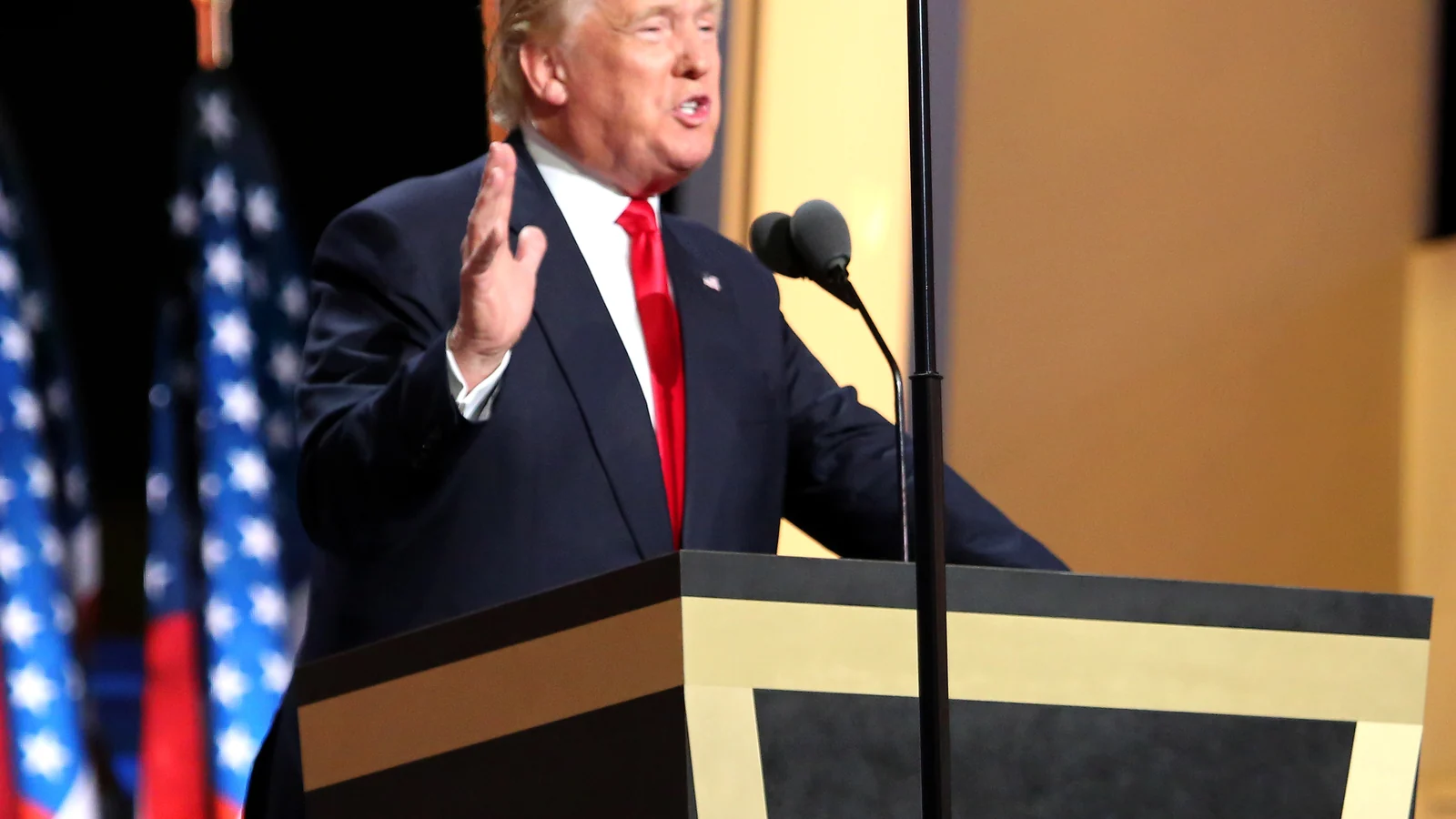
The latest AI developments point less to a single product launch than to a widening contest over who gets to set the technology’s limits. President Donald Trump says he plans to create an “AI Force” and appoint an AI czar, while US-China negotiations are putting AI models alongside trade and critical minerals. At the same time, a lawsuit is challenging private safety coordination, and Nvidia CEO Jensen Huang is arguing that the industry should accelerate rather than slow down.
Trump Proposes an “AI Force” and AI Czar
President Donald Trump said he is forming an “AI Force” modeled on Space Force and plans to name an AI czar. In the account published by The Verge, Trump said his administration would not “hinder or stifle” AI growth and argued that existing criminal and civil laws could address harmful activity.
The proposal remains a presidential announcement rather than a fully defined institutional plan: the supplied reporting does not identify the force’s structure, authority, staffing, or timetable. Its immediate significance is political. Federal coordination of AI is being framed primarily as a way to promote US technological advantage, with oversight presented as compatible with continued expansion rather than as a reason to slow development.
Washington and Beijing Put AI on the Summit Agenda
US Treasury Secretary Scott Bessent and Chinese Vice Premier He Lifeng held talks covering trade, investment, AI, and critical minerals ahead of the planned September 24 Trump–Xi summit, according to CNBC. Bessent later described the discussions as “very successful” in a Bloomberg report.
The negotiations reportedly include both open-weight and proprietary closed-weight models, alongside disputes over critical-material shipments. The evidence does not establish a deal or specific AI guardrails, but it shows AI being handled as part of the broader US-China economic and strategic relationship rather than as a narrowly technical issue.
A Lawsuit Targets Private AI Safety Coordination
A proposed class-action lawsuit names Anthropic, OpenAI, SpaceXAI, and Google over an industry-funded safety oversight structure. As Tom’s Hardware reports, plaintiffs allege that agreements to coordinate pre-release reviews could slow development and distort competition.
The complaint does not establish that the allegations are true, and the supplied evidence gives no indication of a court ruling. But it creates a direct legal tension around private safety mechanisms: companies may face criticism both for moving too quickly and for collaborating on processes intended to assess advanced models before release.
Nvidia’s Jensen Huang Rejects Calls to Slow AI
Nvidia CEO Jensen Huang used an interview with CBS News to dismiss calls for a development slowdown and argue that existing regulation is sufficient. Business Insider reports that Huang called warnings from frontier-lab leaders about AI’s dangers disingenuous and said he believed they had “ulterior reasons.”
Separately, Yahoo Finance reports that Huang expects Nvidia to sell twice as many chips next year as this year. Those comments connect the policy argument to a commercial forecast, although the supplied evidence does not provide an independent assessment of that projection or resolve the disagreement over AI risk.
Meta Muse Raises a More Immediate Privacy Question
Meta’s Muse assistant reportedly accessed notification previews from a Mac while a user believed Messages access had not been granted. The issue surfaced when the assistant discussed the contents of a conversation, according to The Verge.
The report does not establish whether Muse violated a permission boundary or how the behavior was configured. It does, however, highlight a practical governance problem distinct from frontier-model debates: assistants that can observe surrounding interface content may create privacy risks that users do not understand from a simple list of app permissions.
Google’s Finland Buildout Ties AI Compute to Power
Google is reported to be planning at least €13 billion in AI infrastructure investment in Finland over the next two years, including three data centers and a 22-year agreement for up to 50% of the output of one Finnish power source. The details come through a Yahoo Finance summary of Reuters reporting.
The evidence characterizes the plan as Google’s largest European investment and links it to Finland’s cold climate and nuclear power. It does not provide a construction schedule or explain the agreement’s final operating terms. Still, the reported commitment illustrates how AI expansion is increasingly being organized around long-duration energy arrangements as well as computing hardware.
What to Watch Next
The next test is whether these political and corporate positions produce durable rules or remain competing declarations. The Trump–Xi summit may clarify whether AI safeguards can be negotiated alongside trade and critical minerals, while the lawsuit will test whether private safety coordination is treated as responsible oversight or anticompetitive conduct. In parallel, products such as Meta Muse will make the policy debate tangible through everyday questions about access, consent, and user control.
Discussion
Join the conversation
Share your perspective on this story and discuss it with other readers.