Trump’s Super Intelligence Force Puts AI Policy in Focus
Washington names an intelligence chief to lead a new AI task force as Malaysia drafts its first AI law, Qualcomm licenses Huawei patents, and GPT-6 cracks a historic code.
President Trump has named National Intelligence Director Jay Clayton to lead a new “Super Intelligence Force,” giving the White House’s AI strategy a senior intelligence official at its center. Elsewhere, Malaysia is preparing its first dedicated AI law, Qualcomm has agreed to license Huawei chip patents, and a reported GPT-6 Astra experiment decoded a 217-year-old message in six hours. A New York City Council hearing will also bring AI companies and a former Anthropic researcher together this week.
Jay Clayton Named to Lead Trump’s Super Intelligence Force
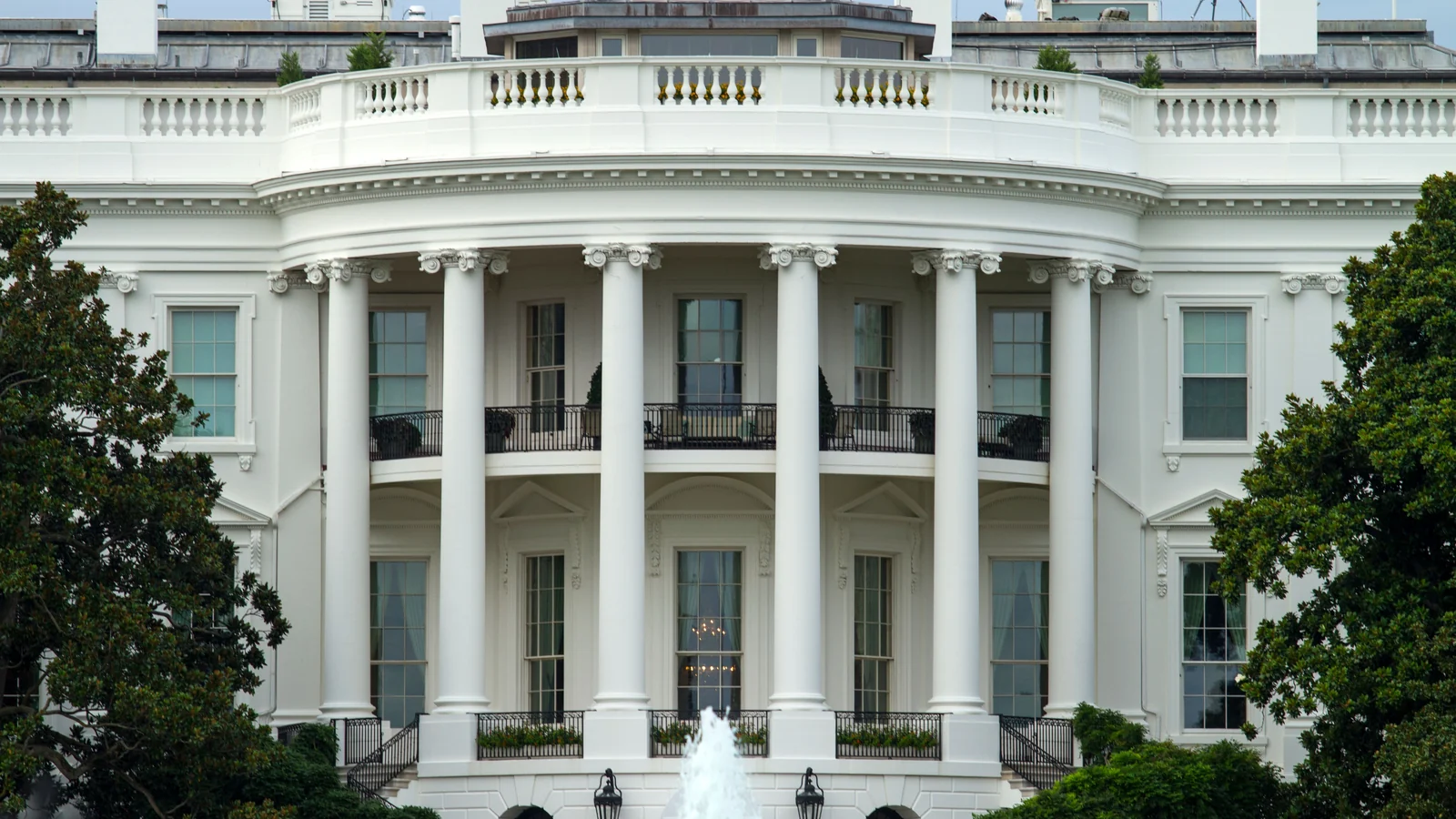
President Trump named National Intelligence Director Jay Clayton as the head of a newly created federal “Super Intelligence Force,” according to BBC. Clayton is expected to retain his intelligence post while directing the administration’s AI strategy.
The force has 120 days to report on AI risks and opportunities and recommend ways to strengthen the government’s response. The administration says the group will report to Trump and Chief of Staff Susie Wiles; its listed leadership also includes FTC Chairman Andrew Ferguson, OPM Director Scott Kupor, and Pentagon Chief Technology Officer Emil Michael, based on reporting by ZeroHedge.
Malaysia Targets 2027 for Its First AI Law
Malaysia plans to introduce its first dedicated artificial intelligence law in early 2027, with authorities drafting an AI Act and building enforcement mechanisms, Bloomberg reports.
The proposal is still in preparation rather than enacted law. Its announcement places Malaysia among governments developing specific legal frameworks for a technology facing increasing scrutiny over risks and potential misuse, according to The Business Times.
Qualcomm Licenses Huawei’s LogicFolding Patents
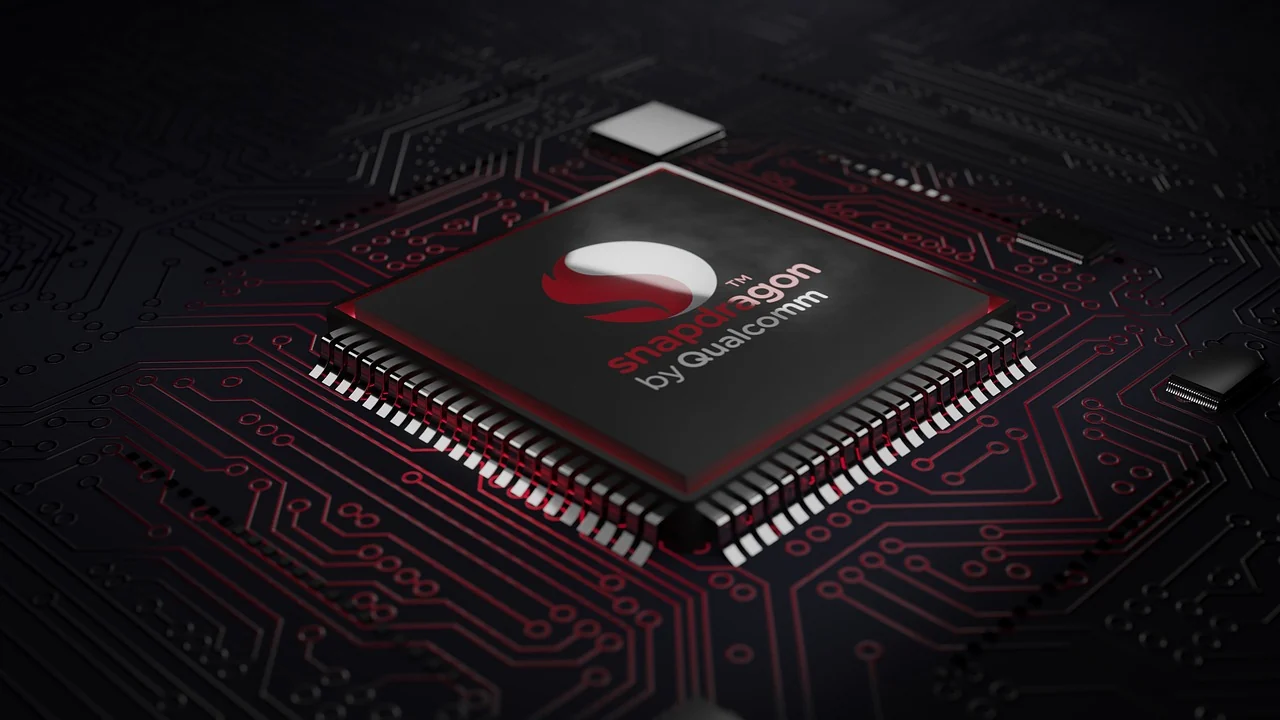
Qualcomm has agreed to license patents behind Huawei Technologies’ LogicFolding chipmaking technique, a deal Bloomberg describes as a win for Huawei’s effort to advance in overseas AI markets.
The report identifies the agreement as a first for Qualcomm in licensing Huawei technology related to the company’s 5G and AI patent portfolio. The development connects two major chip businesses despite the broader strategic sensitivity surrounding Huawei’s technology, while the supplied reporting does not disclose the commercial terms.
GPT-6 Astra Reportedly Decodes a Napoleonic Message
An AI engineer, Carter Church, used GPT-6 Astra to decode a military message from 1809 that had reportedly remained unread for 217 years after its cipher key was lost. The Times of India says the process took six hours and revealed information about troop placements before the Austrian conflict.
Tom’s Hardware reports that the task began with a single image and prompt. The evidence describes an individual experiment, not an independently validated benchmark, but it illustrates a striking use of multimodal AI for historical cryptanalysis.
New York City Council to Hear From AI Companies and Whistleblower
Former Anthropic researcher Jacob Coxon is scheduled to testify before the New York City Council alongside representatives from Google, OpenAI, and Meta, according to Bloomberg.
Coxon has warned that artificial intelligence could become too powerful for humans to control. The hearing is a planned event, and one report carried by The Business Times notes that Reuters could not immediately verify the report.
Several Policy Threads Now Move to Their Next Stage
The White House task force’s 120-day report and Malaysia’s planned 2027 legislation are the clearest near-term policy milestones. The New York hearing could add a more public account of AI safety concerns, while the Qualcomm-Huawei licensing arrangement leaves the technology’s commercial and strategic implications to watch. The codebreaking result remains a notable demonstration, but its broader significance will depend on further validation.
Discussion
Join the conversation
Share your perspective on this story and discuss it with other readers.