Nvidia Halts China Shipments as Congress Sets Huang Testimony
Nvidia stops shipping some AI chips to China while its former CEO faces congressional testimony; Isomorphic Labs, Genesis AI and Google also make moves.
Nvidia’s post-Jensen Huang upheaval has produced two consequential developments: the company is no longer shipping Hopper data-center chips to China, according to reporting, and Huang is set to appear before congressional committees in December. Nvidia is also reshaping oversight of export controls as it searches for a permanent chief executive. Elsewhere, Isomorphic Labs raised major new funding for drug candidates, Genesis AI secured capital for general-purpose robots, and Google added a separate Gemini setting for users who do not want their chats used to train models.
Nvidia Stops Shipping Hopper Chips to China
Nvidia is no longer shipping Hopper data-center chips to China despite having received U.S. approval to sell a version of the model there, Bloomberg reported. TechCrunch likewise reported that the company’s interim CEO said Nvidia was done selling chips to China, while Gizmodo identified the affected product as the H200.
The change follows a period of heightened scrutiny over Nvidia’s China sales and the company’s leadership crisis. The supplied reporting does not specify how long the halt will last or quantify its financial impact.
Congress Schedules Huang’s Closed-Door Interviews
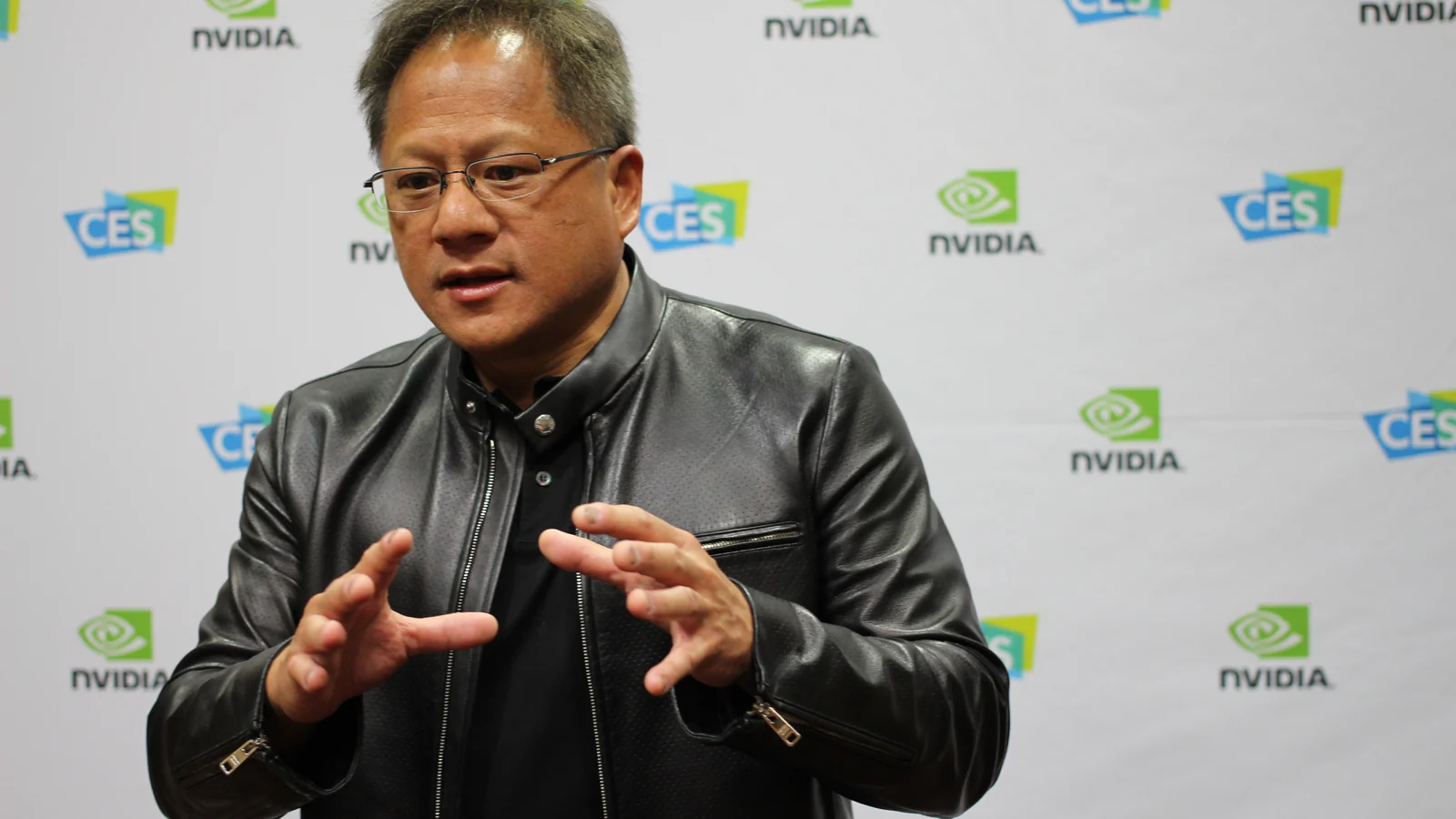
Former Nvidia CEO Jensen Huang will appear before the House Foreign Affairs, Intelligence and China select committees on December 1, with Nvidia general counsel Tim Teter scheduled for a transcribed interview the following day, Axios reported. Lawmakers are seeking answers about whether Nvidia chips were compromised by Chinese intelligence and whether the company adequately protected sensitive American technology.
The appearances follow Huang’s resignation and remain focused on questions that the supplied evidence describes as potential national-security concerns. The interviews are to be held behind closed doors.
Nvidia Adds Board-Level Export Oversight
Nvidia has established a standing National Security and Export Control Oversight Committee, giving the board oversight of national-security policies, export-control compliance and global trade risks, TechCrunch reported. The company’s existing global trade-compliance team will report to the new committee, according to Engadget.
The move adds a formal governance layer as Nvidia faces questions about restricted products reaching China. Separate reporting says U.S. agencies are also investigating Nvidia partner Megaspeed, with the Justice and Commerce departments stating that their inquiries began in 2024, CNBC reported.
Earnings Hold Up as Nvidia Searches for a Permanent CEO
Nvidia reported fiscal third-quarter revenue of 115.8 billion, up 103 percent from the same period a year earlier, according to The Verge. Data-center revenue was 107.6 billion. The results came on the company’s first earnings call without Huang.
Board chair Harvey Jones said Nvidia does not intend to reinstate Huang and that the company is considering internal and external candidates with executive-search firm Heidrick & Struggles, Fast Company reported. Ian Buck, a longtime Nvidia executive associated with the company’s CUDA software, joined interim CEO Colette Kress for the question-and-answer session, though the evidence does not establish that he is the leading candidate.
Isomorphic Labs Raises Capital for Clinical-Trial Push
Isomorphic Labs, the AI drug-discovery company spun out of Google DeepMind, raised 5 billion in a Series C round, according to TechCrunch. The company plans to use the funding to advance its first medicine candidates toward clinical trials.
The round gives the London-based startup fresh capital for a transition from platform development toward human-testing preparation, but the supplied evidence does not identify specific drug candidates or a clinical-trial start date.
Genesis AI Funds General-Purpose Robot Development
Genesis AI raised 500 million at a 3.5 billion valuation as it develops general-purpose robots, Bloomberg reported. The company says it plans to manufacture its first fully U.S.-made robots next year and is working on its robot AI model, hardware and components as a full-stack system.
Other reporting described the company’s humanoid robot, Eno, and its focus on dexterous hands, including Forbes’ account. Those production plans are company targets rather than evidence of completed commercial deployment.
Google Separates Gemini Training and Chat History Controls
Google is rolling out separate settings for Gemini chat history and model training, allowing users to keep access to previous chats while opting out of having their chats used for AI training, Ars Technica reported. Previously, turning off history was the way to stop chat contents and attachments from being used for training, which also prevented users from returning to those chats later.
The new training control remains opt-out and is available under Gemini’s activity settings as the change rolls out, according to the report. ZDNet also reported that users will be able to turn off training while retaining their prior conversations.
The Follow-Ups Now on the Calendar
Nvidia’s December appearances before Congress will clarify what lawmakers believe happened around chip security and Huang’s former leadership. The company’s China-shipment policy and new export committee will also show whether its compliance response becomes more restrictive. Outside Nvidia, Isomorphic Labs’ route toward clinical trials, Genesis AI’s manufacturing plans and Google’s Gemini privacy controls remain developments to track as they move from announcement to execution.
Discussion
Join the conversation
Share your perspective on this story and discuss it with other readers.