AI’s Next Constraint Is Control, From Mac Permissions to Chips
Apple is tightening agent access while chip controls, data-center backlash, talent shortages, and Google’s orbital test expose the limits of AI expansion.

The latest AI developments are less about a new model than about the systems around models. Apple is preparing stricter controls on the broad permissions that agents can use; US authorities are pursuing an alleged route for export-controlled Nvidia servers into China; and cloud infrastructure is meeting resistance from the communities asked to host it. At the same time, Anthropic is investing in the people needed to deploy AI, while Google is testing whether some computing could eventually move off Earth.
Apple Reconsiders Full Disk Access for AI Agents
Apple said it plans additional macOS controls for apps requesting Full Disk Access, a permission that can expose emails, private messages, browsing history, and other files. The company said increasingly capable and autonomous AI agents make that level of access riskier, and that users should take a more explicit action before granting it. Apple has not yet explained exactly how the new controls will work or when they will arrive. Business Insider reports that the change follows scrutiny of an AI agent’s access to Apple Messages, while Ars Technica notes that the policy is aimed at broader third-party app misuse, not necessarily AI applications alone.
US Authorities Pursue an Alleged Nvidia Chip-Smuggling Route
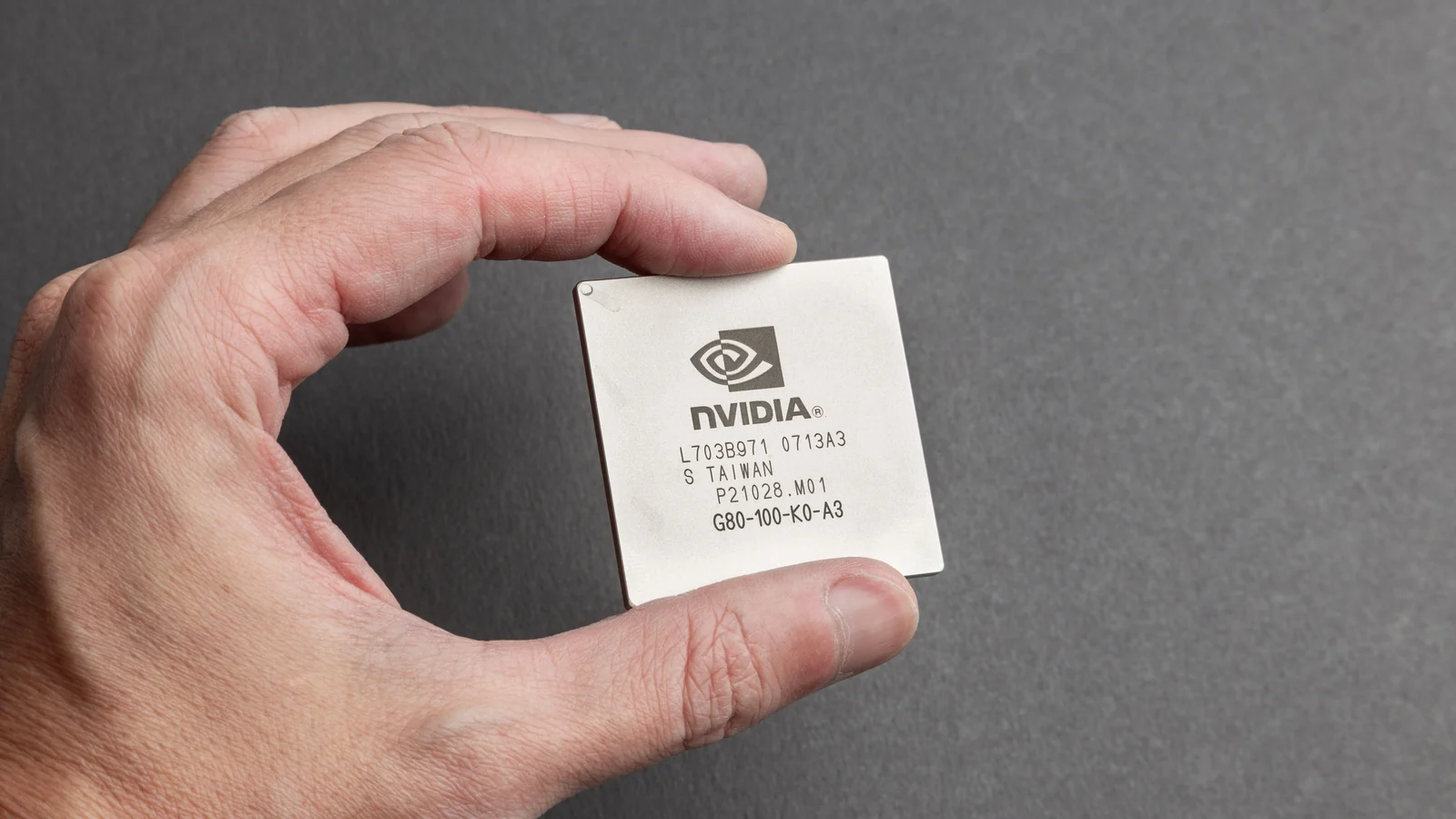
US prosecutors arrested California technology executive Yiu Kong Lui, whom they accuse of helping route more than $300 million worth of Nvidia-powered servers to China through Malaysia and Singapore using false paperwork. The indictment cited A100 and H100 GPUs and alleged violations including export-control offenses, smuggling, and money laundering. The claims remain allegations, but the case illustrates how export restrictions are being enforced through the logistics surrounding AI hardware. Ars Technica reports that the servers were allegedly destined for China despite the controls.
Amazon Offers $1 Billion as Data-Center Opposition Grows
Amazon said it will commit more than $1 billion over five years to communities near its data centers. AWS said local communities could prioritize spending on education, job training, energy affordability, water, and other local needs, while Amazon also promised that its facilities would not raise power bills or deplete local water supplies. The announcement is a response to mounting opposition, not a resolution of the underlying concerns: Ars Technica reports that critics accused Amazon of downplaying data-center pollution even as the company made its community commitments.
Anthropic Invests in the People Who Put AI Into Production
Anthropic announced a $100 million Claude Frontier Academy to train nearly 10,000 Frontier Deployed Engineers by the end of 2027. The program is intended to help organizations move AI projects from experimentation into operational systems. According to Business Insider, participants will begin with an in-person program, then undertake a 12-week residency leading a Claude project at their own organization. The first cohorts include engineers from consulting firms and companies including Morgan Stanley, Novo Nordisk, and Commonwealth Bank of Australia; Anthropic expects the first certified engineers in early 2027.
Google Tests AI Processing in Orbit
Google has launched a refrigerator-sized Planet Labs satellite carrying four Tensor Processing Units under Project Suncatcher, according to The Times of India. The TPUs are expected to run Google’s Gemma model in 15-minute bursts using solar power. This is a test of whether AI data centers could operate in orbit, not a commercial deployment: Google says space-based data centers remain at least five years from being cost-effective. The experiment puts the technical promise alongside the unresolved economic barrier.
A Court Rejects Two Challenges to Google AI Search
A US federal judge dismissed lawsuits from Chegg and Penske Media that alleged Google’s AI search products used monopoly power to harvest content and reduce publishers’ traffic. The plaintiffs argued that Google’s AI Overviews and related systems benefited from material collected from sites that had expected search referrals. As Ars Technica reports, Judge Amit Mehta concluded that an expectation of receiving traffic from a general search engine did not amount to an agreement, and that the complaints did not establish an antitrust violation. The ruling is a setback for those plaintiffs, but it does not settle the broader commercial dispute over AI answers and the web.
Toshiba Plans More Hard Drives for the AI Storage Boom
Toshiba plans to double hard-disk-drive production capacity within fiscal 2027 and invest roughly 60 billion yen to expand facilities in the Philippines, Nikkei Asia reported. The move targets demand from AI data centers and would include products with up to 40% more memory per unit, according to the supplied reporting. The announcement unsettled the existing storage market: ZeroHedge reported that Seagate and Western Digital shares fell more than 10% after the news. It is a reminder that AI infrastructure demand is reshaping not just accelerators, but also the less visible storage layer.
The Deployment Bill Is Coming Into View
Taken together, these developments point to a more specific constraint on AI’s expansion: deployment requires permission boundaries, controlled hardware, local consent, specialized workers, and enough storage to support the systems being built. The next things to watch are practical rather than rhetorical—how Apple implements its new access controls, whether the chip-smuggling case produces further enforcement, and whether infrastructure commitments change local opposition or simply raise the stakes around it.
Discussion
Join the conversation
Share your perspective on this story and discuss it with other readers.