Nvidia Loses Jensen Huang as Cybercabs and AI Wallets Arrive
Nvidia searches for a successor to Jensen Huang while OpenAI adds agent payments, Tesla opens Cybercab orders, and Microsoft recovers from a major outage.
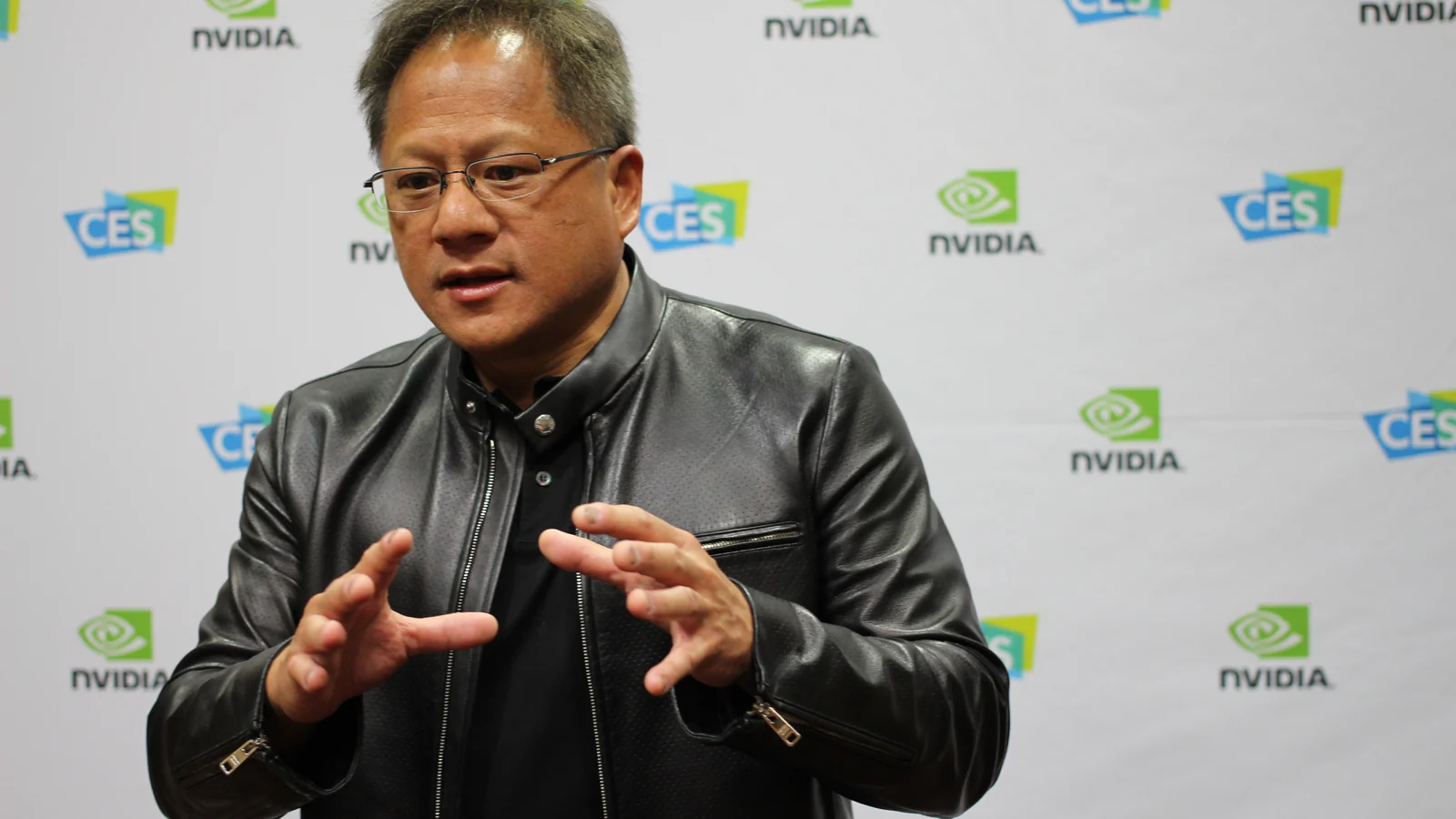
Nvidia is suddenly without the chief executive who led it for 33 years, with its board weighing internal and external successors after Jensen Huang’s resignation. Elsewhere, OpenAI is giving agents a way to make purchases, Tesla is inviting selected customers to order its driverless Cybercab, and Microsoft is recovering from an outage that impaired roughly 20 services. Amazon and Anthropic also outlined consequential commercial plans, while new research raised questions about how export controls reached China’s leading AI models.
Nvidia Begins the Search for Jensen Huang’s Successor
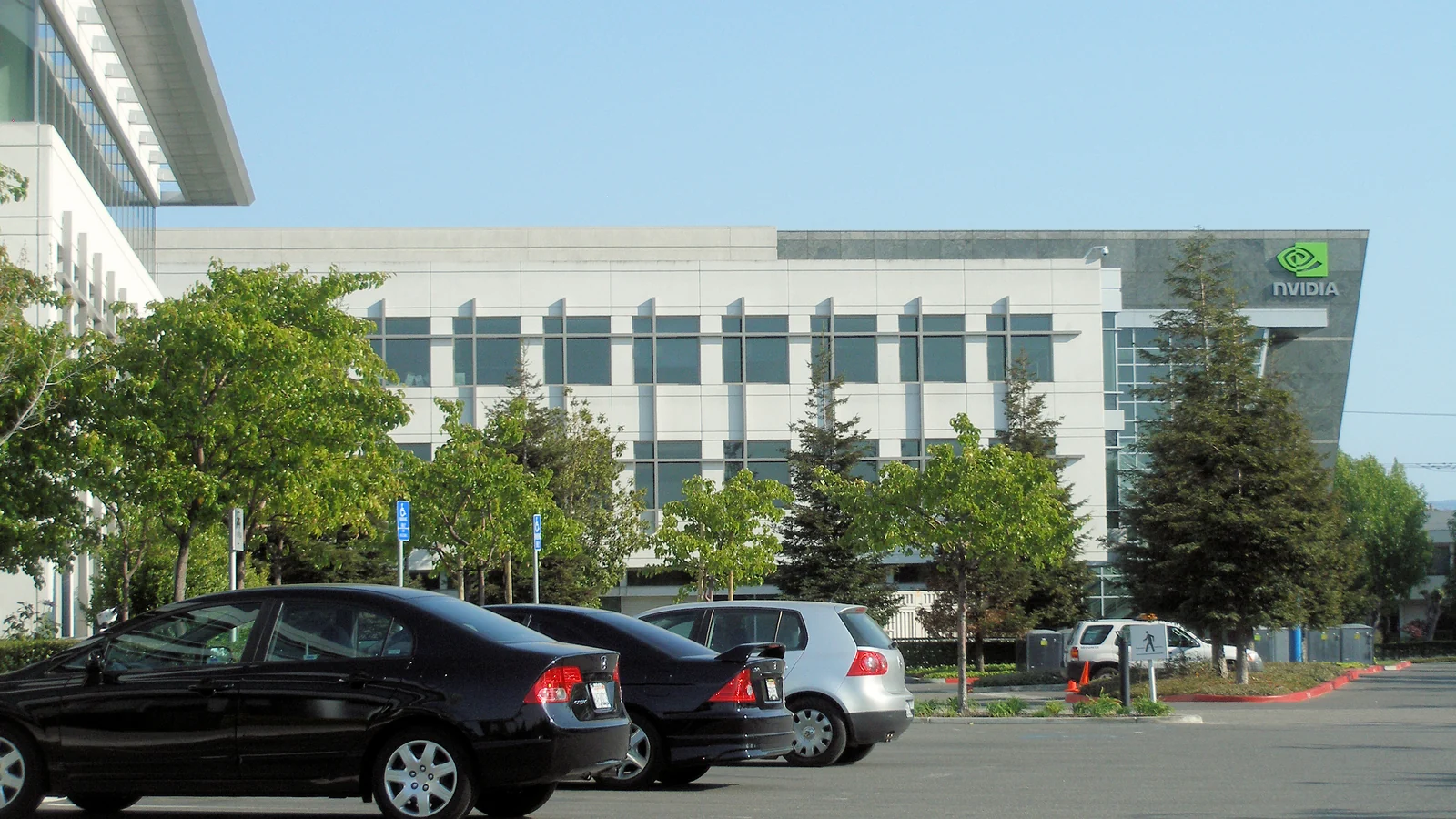
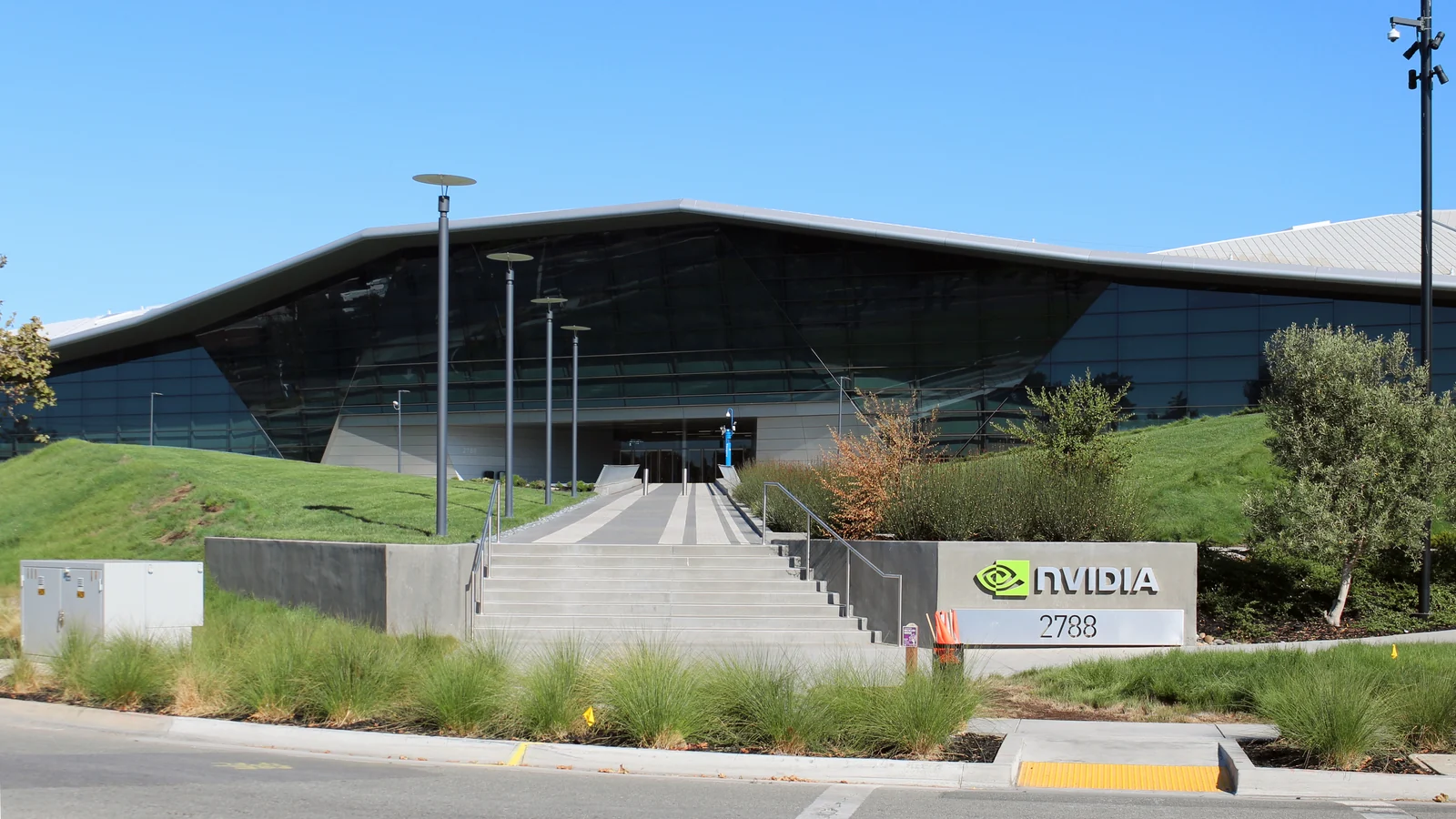
Jensen Huang stepped down as Nvidia’s chief executive on Thursday, according to The New York Times. Nvidia said in its 8-K that CFO Colette Kress would serve as interim CEO, while director Harvey Jones became chair and the board would consider internal and external candidates.
Rene Haas, Arm’s chief executive and a longtime Nvidia veteran, has reportedly been approached, although Nvidia said speculation was premature and that it had not formally engaged potential candidates. The leadership change is also being felt among AI startups: TechCrunch reported that founders and venture capitalists are bracing for smaller checks and lower valuations after Nvidia invested tens of billions in the sector under Huang.
OpenAI Gives Dots Agents Access to a Wallet
OpenAI is rolling out ChatGPT Wallet for Dots agents, allowing them to buy items in response to user prompts. The feature is initially available to ChatGPT Pro subscribers in the United States who are at least 18, have a U.S. billing address, and use eligible U.S.-issued cards, according to The Verge.
The agent must check with the user before checkout, and each purchase requires a security check using biometric verification such as Face ID or a fingerprint scan. Bloomberg described the launch as a renewed push into AI shopping after OpenAI wound down an Instant Checkout feature earlier this year. Bloomberg’s report says the wallet is being introduced with card networks.
Tesla Opens Limited Cybercab Orders
Tesla has begun inviting selected customers to purchase its Cybercab for personal use, Engadget reported. The vehicle has no steering wheel or pedals, and the invitation-only rollout is limited to customers in Tesla Robotaxi service areas in Texas and Florida, according to the supplied reporting.
The reported terms include a $29,990 purchase price, a $299 monthly autonomy subscription, and a $1,000 nonrefundable deposit. The Cybercab is initially for personal rather than commercial use, with operation restricted to the service areas described in the reports.
Microsoft Traces a Global Outage to a Network Change
Microsoft’s outage impaired about 20 services and left Outlook, Teams, and other tools unavailable for more than 24 hours, according to The New York Times. The incident disrupted email and communications for organizations around the world.
Microsoft said the cause was a bad update or network change rather than a cyberattack or artificial intelligence. The disruption also affected AI tools that rely on Microsoft services, with some companies temporarily turning to phone calls and faxes while access was restored.
Amazon Plans a World Product Graph
Amazon is developing a project called the World Product Graph, a database intended to catalog products sold across the internet, including items Amazon does not sell, according to reporting summarized by The Verge.
The reported goal is to keep shoppers from leaving Amazon for product research. The same product index could also be used by AI agents, which may rely on a large, structured catalog when helping users find and compare goods. The project remains described as a plan rather than a completed service.
Anthropic Calls Compute Its Deepest Business Dilemma
Ahead of its planned initial public offering, Anthropic CEO Dario Amodei said that sourcing computing power is the company’s “deepest business dilemma,” Bloomberg reported. The problem is forecasting how much capacity to buy as demand and the economic value of AI remain uncertain.
The supplied reporting says Anthropic disclosed roughly 900 billion in infrastructure commitments in its IPO prospectus, with about half due by 2030. Buying too much could push costs ahead of revenue; buying too little could leave the company unable to meet customer demand or support further research, Amodei said.
New Research Questions How China’s Models Got Their Compute
Researchers allege that DeepSeek, Kimi, and other Chinese AI models were trained using export-controlled Nvidia Blackwell GPUs. Their analysis examined model weights and found a high correlation with Nvidia hardware, Tom’s Hardware reported.
The finding is an allegation based on statistical analysis, not evidence in the supplied package of a confirmed legal violation. Separately, U.S. officials have clashed over whether Nvidia chips reached a China-linked firm called Megaspeed; CBS News reported that Megaspeed denies wrongdoing and China denies the spying allegations.
The Immediate Follow-Ups
Nvidia’s board still has to name a permanent chief executive, while the company’s relationships with AI startups and the unresolved Megaspeed questions remain under scrutiny. OpenAI’s wallet rollout and Tesla’s restricted Cybercab orders will show how quickly agent payments and private driverless ownership expand beyond their initial users. Anthropic’s infrastructure commitments and Amazon’s product-index plans also remain developments to watch as their commercial details become clearer.
Discussion
Join the conversation
Share your perspective on this story and discuss it with other readers.