Nvidia Board Report Puts Jensen Huang’s Future in Question
Reports say Nvidia’s board is weighing Jensen Huang’s future as Anthropic advances a huge IPO, OpenAI reports rising losses, and companies expand AI products and partnerships.

Reports that Nvidia’s board may remove or replace Jensen Huang put the company’s leadership under immediate scrutiny, while separate reporting described continued questions around the executive and the company’s China-related chip business. Elsewhere, Anthropic’s IPO preparations moved forward, OpenAI reported sharply higher revenue alongside heavy losses, and TSMC approved investments in both labs. New products and policies also arrived: Anthropic introduced workplace tools, United moved to block AI agents from booking flights, and Google and Oura pushed further into health care.
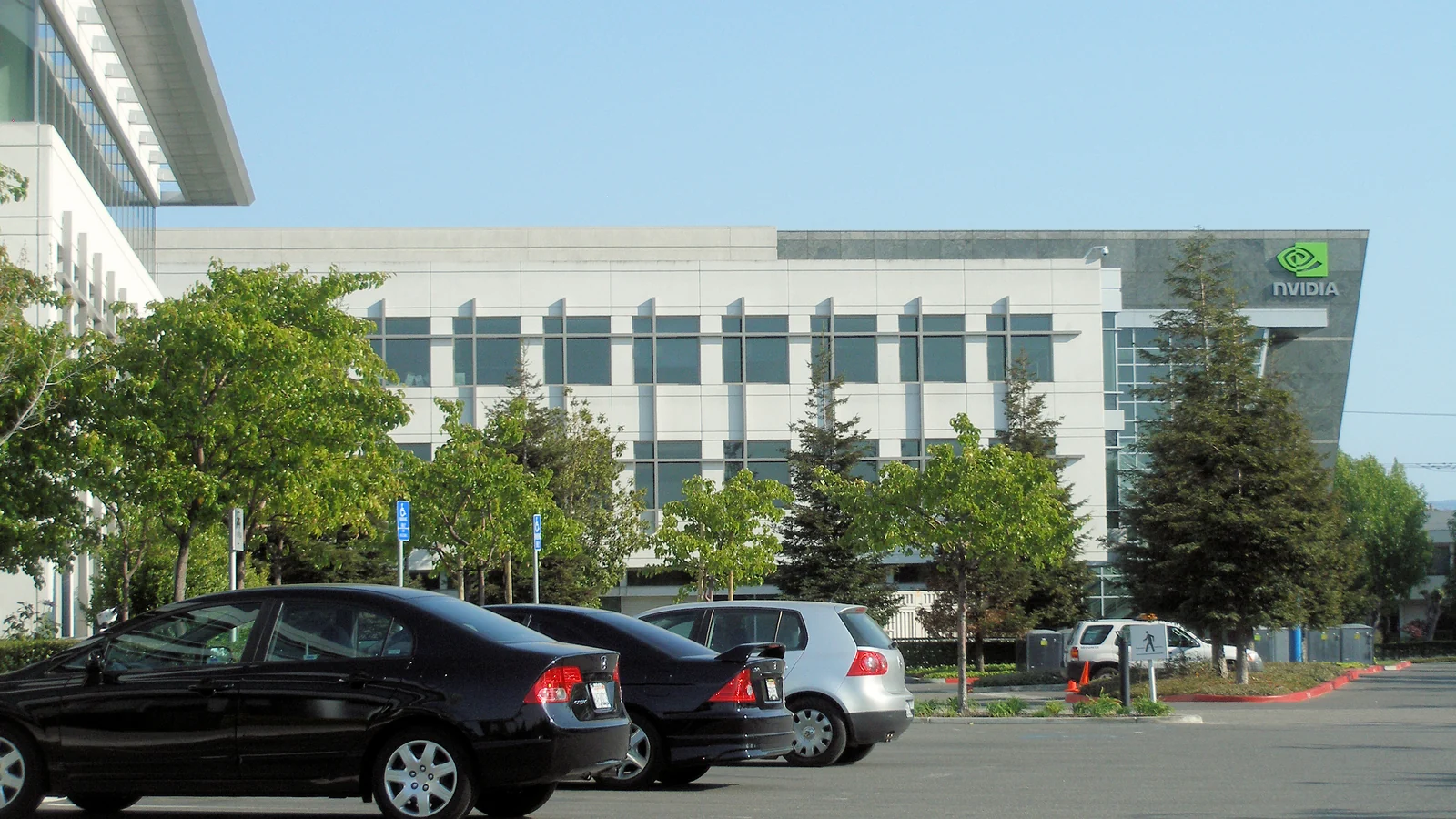
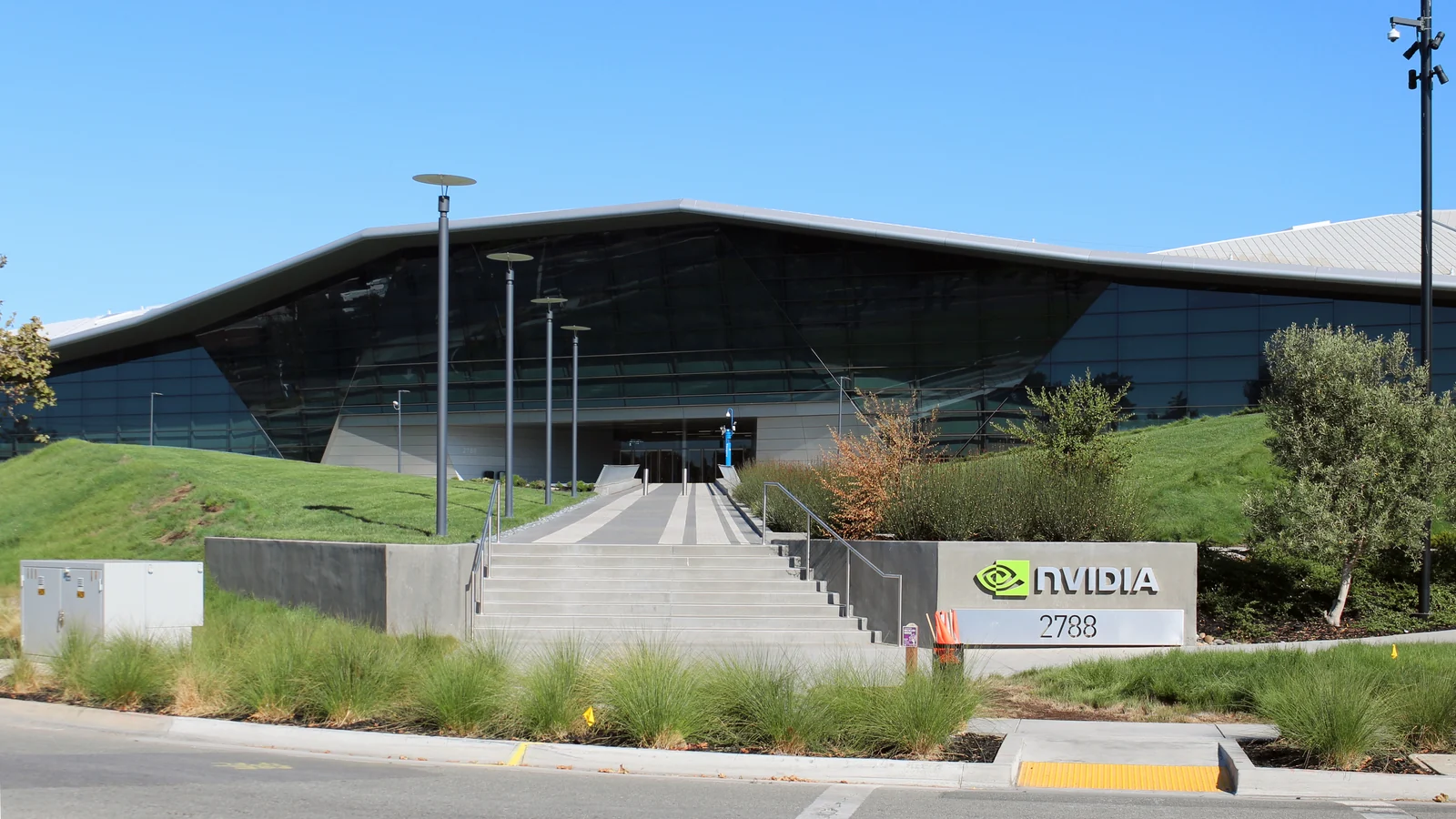
Nvidia’s Board Reportedly Weighs Jensen Huang’s Future
Nvidia shares fell in after-hours trading after reports that the board was preparing to remove or otherwise weighing the exit of CEO Jensen Huang. Business Insider reported that the board was investigating Huang in connection with earlier allegations and that a separate report described another alleged affair, citing unnamed former employees. The Times of India reported that the board was set to deliberate on Huang’s future and that an investigation by Wachtell, Lipton, Rosen & Katz was underway. The supplied reports describe a board deliberation, not a confirmed leadership change.
Anthropic’s IPO Moves Into Its Pricing Debate
Anthropic’s IPO roadshow has prompted competing reports about how much the company could ultimately be valued at. Yahoo Finance reported that bankers were considering pushing the valuation above $1.5 trillion amid strong demand, while another account described a filing targeting a valuation of up to $1.4 trillion and a share price of $70 to $78. Axios reported that the filing outlined a possible raise of as much as $64.4 billion, with the company’s annualized revenue reported at $8.1 billion in October and long-term commitments to chips, data centers, and computing infrastructure approaching $90.1 billion. Those figures are reported targets and estimates ahead of pricing.
OpenAI Reports $10 Billion Quarter Alongside Heavy Losses
OpenAI’s quarterly revenue reportedly reached $10 billion, a roughly 50% increase from the $6.7 billion reported for the prior quarter. TechCrunch reported that the company crossed that threshold for the first time. Forbes reported that third-quarter operating losses reached $10.9 billion. The result presents growth and spending pressures side by side; the supplied reporting does not indicate that OpenAI has reached profitability.
TSMC Approves Stakes in OpenAI and Anthropic
TSMC’s board authorized up to $500 million for preferred shares in OpenAI and up to $500 million to buy Anthropic common shares at the latter’s expected IPO price, according to the South China Morning Post. Ars Technica reported that the approvals give the chipmaker direct financial ties to both AI developers and noted analysts’ concerns about circular financing among suppliers, investors, and customers. The approved investments are separate from TSMC’s contract chipmaking business described in the reports.
Anthropic Adds Sheets and Other Workplace Tools
Anthropic is expanding Claude beyond conversational assistance with new workplace features. Engadget reported that the company introduced Claude Sheets and a whiteboard app, positioning the tools against products from Google and Microsoft. ZDNet reported that Claude is also expected to participate in team meetings, with limitations, alongside two other newly launched features. The reports characterize the meeting capability as forthcoming, while the Sheets and whiteboard announcements were presented as available or introduced features.
United Blocks Third-Party AI Agents From Booking Flights
United Airlines is moving to block third-party AI agents from booking flights and accessing customer accounts. Bloomberg reported that the carrier cited privacy concerns as AI agents become more active in airline workflows. The Verge reported that United was also concerned about unintended purchases, exposure of customer information, and agents bypassing required airline disclosures. Users can still use agents to view United flights, according to the report.
Oura Agrees to Buy Counsel Health for $625 Million
Oura agreed to acquire Counsel Health, an AI-native primary-care startup, for $625 million. The Verge reported that Counsel’s service uses health data from wearables to generate AI responses and insights before users can continue to a conversation with an in-house physician. Oura had added the chatbot to its app earlier this year, and the company expects the deal to close before the end of the year. TechCrunch reported that the acquisition followed Oura’s indefinite postponement of an IPO of up to $2.2 billion.
Google Previews Gemini for Health Care
Google Cloud is rolling out Gemini for Health Care in preview for hospitals and insurers. Engadget reported that the platform is aimed at medical paperwork, while Bloomberg described its focus as connecting fragmented information across health systems and reducing administrative work. The reported use cases include clinical documentation, billing, and cost-management workflows. Google says it is building privacy, security, and HIPAA compliance into the platform, according to the Bloomberg report.
The Decisions Still Ahead
Nvidia’s board decision and the status of its investigations remain unresolved. Anthropic’s final IPO pricing will provide a clearer market signal than the current reported targets, while OpenAI’s revenue growth must be weighed against its reported losses. In products, United’s restrictions and the health-care launches will show how quickly these offerings move from announcement or preview into routine use.
Discussion
Join the conversation
Share your perspective on this story and discuss it with other readers.