Alphabet’s AI Search Monetization Problem Leads Earnings Day
Alphabet faces investor pressure over AI search monetization, while Microsoft raises debt, Amazon expands cloud growth, and new models reach developers and defenders.
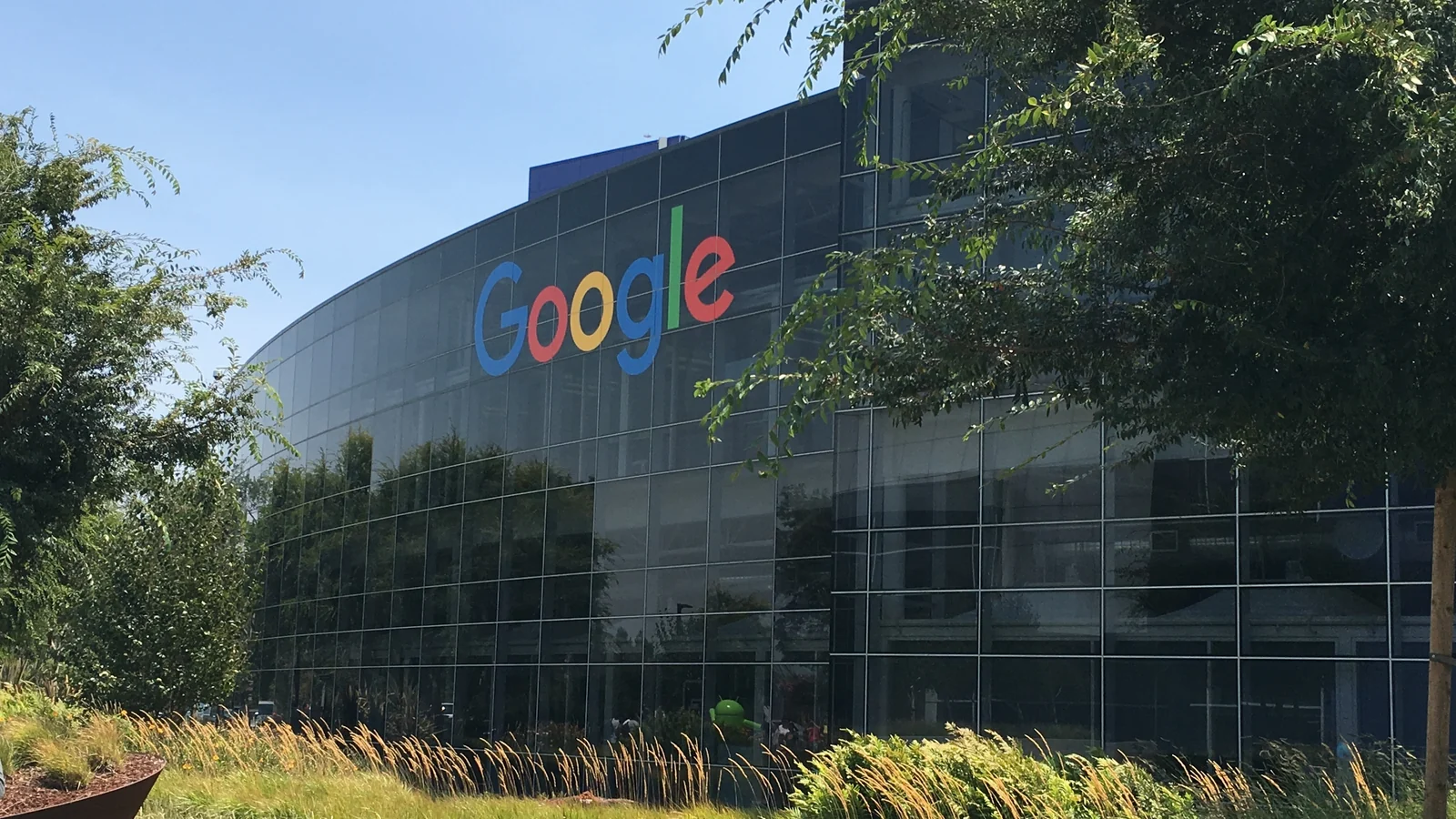
Alphabet’s latest results exposed a difficult trade-off: AI is driving more search activity, but the company says its AI search experience earns less than traditional search. Investors reacted sharply. Microsoft is turning to the bond market to support its AI buildout, Amazon is reporting strong AWS growth, and Mistral and Google have introduced new models aimed at coding and cybersecurity. Google is also extending Gemini into Chrome’s access to Gmail data, while a University of Kentucky administrator has reportedly received an exemption from mandatory workplace AI use.
Alphabet’s AI Search Growth Is Not Yet Matching Its Economics
Alphabet reported third-quarter revenue of $127.58 billion, according to Business Insider’s account of the results, but the company missed analysts’ expectations on earnings and revenue. The report said free cash flow turned negative at $9.07 billion and that Alphabet kept its 2026 capital-expenditure guidance at roughly $195 billion to $205 billion, with spending expected to increase significantly next year.
The problem is especially visible in search. Google executives said AI search was attracting queries, but monetization was weaker than in conventional search. Alphabet is responding by expanding advertisements in AI Mode to more countries. The market reaction was severe: the Wall Street Journal reported that Alphabet lost nearly half a trillion dollars in market value during the sell-off (WSJ).
Microsoft Plans a $25 Billion Bond Offering for AI Spending
Microsoft is looking to raise at least $25 billion through its first US investment-grade bond offering in nearly a decade, according to people familiar with the matter cited by Bloomberg. CNBC likewise reported that the company plans to raise $25 billion as it pursues its AI buildout (CNBC).
The financing plan comes as investors scrutinize the cost of building AI capacity. The supplied reporting describes Microsoft as retaining positive free cash flow and a strong credit rating, distinguishing its position from some other large technology companies. The bond sale would nevertheless make Microsoft’s funding strategy an important follow-up as its AI investments grow.
AWS Posts 39% Revenue Growth as AI Deals Expand
Amazon Web Services reported 39% revenue growth in the quarter, with deals involving Meta and OpenAI helping revenue exceed consensus estimates, CNBC reported. Amazon is also spending heavily to expand capacity: Bloomberg’s earnings breakdown said the company spent more than $77 billion on property and equipment in the third quarter while building data centers and meeting demand for AI services.
The figures put AWS’s cloud performance alongside a much larger capital-spending commitment. The evidence package does not establish how much of that equipment spending was exclusively for AI, but it clearly links the investment push to Amazon’s effort to meet demand for AI services.
Mistral Releases Weights for Its Trillion-Parameter Model
Mistral has released the weights for Large 4, a model the company is positioning for coding and cybersecurity. TechCrunch reported that Mistral says the open release gives organizations more control over cyber defenses than closed models.
Coverage of the release also included claims about its benchmark performance. Wired reported that Mistral says the model matches or outperforms leading models from DeepSeek and Z.ai in coding and cybersecurity. Those comparisons remain company claims in the supplied evidence; the concrete event is the release of the model weights.
Google’s Gemini 4 Carbon Starts With Cybersecurity Partners
Google has released Gemini 4 Carbon, a frontier model focused in part on coding and cybersecurity. According to The Verge, Google says Carbon made significant gains in vulnerability detection, validation, and remediation and currently is available only to a select group of cybersecurity defense companies through a staged rollout.
Google also highlighted a top position on the Artificial Analysis Intelligence Index, but the model is not yet broadly available. Ars Technica’s report said Google claims Carbon is twice as likely as Argon to generate vulnerability-free code and that Chrome’s team reported better patch generation than non-Google models. These are vendor and team claims rather than independently established results in the supplied evidence.
Chrome’s Gemini Autofill Can Search Gmail for Form Details
Google is expanding Chrome’s enhanced autofill so Gemini can use information from Gmail to suggest details for forms, including shipment tracking numbers and travel reservations. The Verge reported that the feature is part of Chrome’s Personal Intelligence capabilities.
The feature operates with user permission and extends earlier autofill capabilities that could draw on information from Google Accounts and Google Wallet. TechCrunch described the practical use case as retrieving flight confirmations, tracking information, order details, and similar inbox data while completing forms.
University of Kentucky Administrator Receives Workplace AI Exemption
A University of Kentucky research administrator has reportedly received an exemption from using AI at work on religious grounds, despite identifying as a secular humanist. TechCrunch reported that the accommodation allows David Durman not to use workplace AI tools because doing so conflicts with his beliefs.
Tom’s Hardware reported that the exemption was granted under Title VII and was described as a first-of-its-kind case by the American Humanist Association. The supplied reports do not establish how broadly the accommodation may influence other employers or institutions.
Several Financial and Product Details Remain Open
Alphabet’s next results will show whether broader AI Mode advertising improves monetization, while Microsoft’s bond terms will clarify how it is financing continued infrastructure spending. Amazon’s capital outlay and AWS deal pipeline also merit attention. On the product side, Mistral’s open-weight model and Google’s restricted Gemini rollout will need independent performance and deployment evidence, and Chrome’s Gmail-linked autofill will be watched for how users respond to its permissions model.
Discussion
Join the conversation
Share your perspective on this story and discuss it with other readers.