Nvidia Locks In Korea’s AI Supply Chain
Nvidia and SK Group outlined a $500 billion-plus AI initiative, Anthropic released Claude Opus 5, Verizon sold Google more than $1 billion in dark fiber, and US tech companies defended open-weight models.
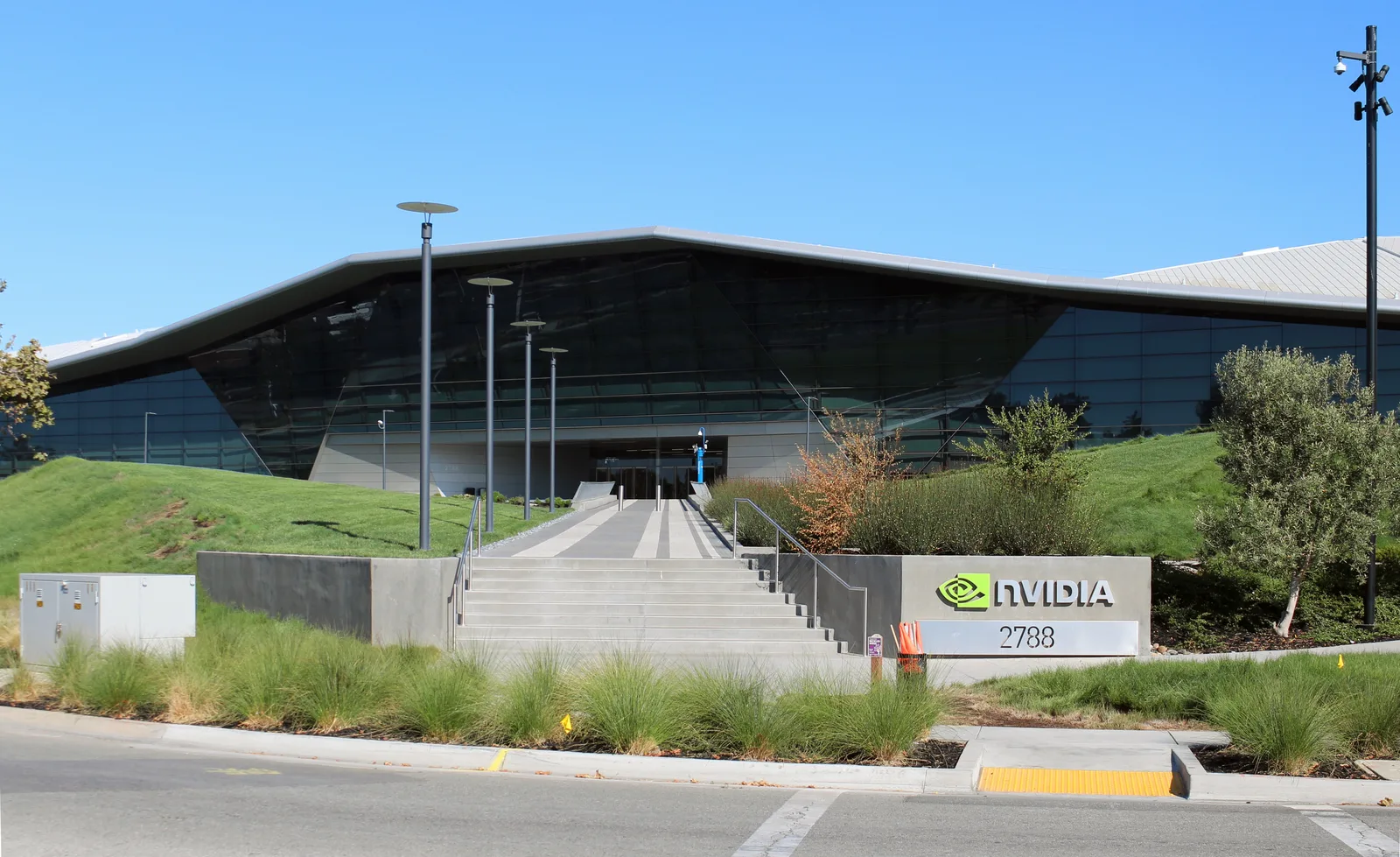
Friday’s largest announcements were less about another isolated benchmark win and more about who controls the infrastructure underneath AI. Nvidia moved to secure memory and data-center capacity in South Korea, while Anthropic made frontier-level performance cheaper to use.
Nvidia and SK Group Planned a $500 Billion-Plus Buildout
Nvidia and SK Group announced a broad AI initiative valued at more than $500 billion. The plan spans data centers, cloud capacity and a long-term memory partnership with SK Hynix.
SK Telecom intends to build an AI factory of up to 2 gigawatts using Nvidia’s Vera Rubin DSX platform and SK Hynix HBM4. The first facility is scheduled to come online in 2027. Nvidia also said it will work with Naver and Brookfield to expand Naver’s Korean data-center capacity.
The headline number needs context. The companies signed letters of intent, and Nvidia did not publish a detailed spending schedule or explain how much of the $500 billion represents committed capital. The technical direction is clearer: Nvidia is pairing future accelerators with guaranteed access to the memory and power infrastructure needed to run them.
Anthropic Made Opus Cheaper Than Its Top Tier
Anthropic released Claude Opus 5, positioning it close to Fable 5 on coding and knowledge work at half the token price. API pricing is $5 per million input tokens and $25 per million output tokens, unchanged from Opus 4.8.
The model supports a one-million-token context window, up to 128,000 output tokens and five effort levels from low through max. Anthropic says Opus 5 came within 0.5% of Fable 5’s peak CursorBench score at half the cost per task, while exceeding Fable 5’s best OSWorld 2.0 result at a little over one-third of the cost.
Those are vendor-run evaluations, so production tests will matter more than the launch charts. Still, the release sharpens the practical choice for developers: Fable 5 remains the option for the longest autonomous projects, while Opus 5 targets frequent coding and office workflows where cost per successful task matters more than the absolute ceiling.
Verizon Sold Google More Than $1 Billion in Dark Fiber
Verizon signed a deal worth more than $1 billion to provide dark-fiber connectivity for Google data centers, CEO Dan Schulman said during the company’s earnings call.
Dark fiber is installed cable that the customer lights and operates with its own optical equipment. Google gains dedicated capacity and more control over network upgrades; Verizon monetizes routes that become more valuable as AI clusters exchange larger training sets, checkpoints and inference traffic.
Verizon expects to announce additional data-center connectivity deals worth several billion dollars by year-end. The AI infrastructure boom is creating revenue outside chips and servers, especially for carriers that already own long-haul and metropolitan fiber.
Tech Companies Defended Open-Weight Models
A coalition of technology companies and organizations—including Nvidia, Microsoft, Meta, IBM, Palantir, Hugging Face and Mozilla—published a letter urging US policymakers to avoid broad restrictions on open-weight AI.
The coalition statement argues that downloadable models improve competition, allow private deployment and give outside researchers more access to inspect weaknesses. It also acknowledges risks, but calls for targeted action against theft and misuse rather than restrictions on the entire distribution model.
The published signatory list later expanded to include OpenAI, while Anthropic and Google remained absent. The business incentives are still visible: chipmakers, cloud providers and enterprise platforms benefit when customers can run models on infrastructure they control.
HCLTech Funded an Indian Sovereign AI Center
HCLTech plans to invest ₹14,257 crore in its first AI data center inside the proposed Odisha Sovereign AI Park. The project will be built with Sarvam and the Odisha government.
HCLTech says the facility will combine its infrastructure and cloud-operations capabilities with Sarvam’s foundation models to serve government and private-sector workloads. The announcement expands a smaller plan disclosed earlier in July that contemplated up to 50 megawatts of AI data-center capacity.
The word “sovereign” is doing real work here. India wants local control over data, model access and public-sector deployment rather than relying entirely on foreign APIs and offshore infrastructure. Capacity, procurement rules and the eventual hardware mix remain undisclosed.
Waymo Prepared to Loosen Its Uber Dependence
Waymo is considering a broader separation from Uber after operational and commercial disagreements, according to reporting by the Financial Times and Reuters.
Waymo has told Uber it intends to launch independently in Austin and Atlanta in January 2028, when current contract terms allow. Uber says Waymo vehicles will remain on its network through at least May 2028, but the exclusivity arrangement would end and Uber could add competing autonomous-vehicle providers in those cities.
The partnership gave Waymo access to Uber’s demand and fleet operations while Uber avoided rebuilding an autonomous-driving stack. As Waymo’s own app and fleet expand, that compromise becomes less necessary. January 2028 is the next contractual checkpoint; before then, both companies still have to show that robotaxi economics improve as fleets scale.
Discussion
Join the conversation
Share your perspective on this story and discuss it with other readers.