Google’s AI Cloud Growth Comes With a $205 Billion Bill
Google Cloud revenue jumped 82% as Alphabet raised its 2026 capital-spending plan, OpenAI secured 3.2 gigawatts for a Georgia data center, Tesla’s AI costs rose, and Reddit reconsidered its Google content deal.
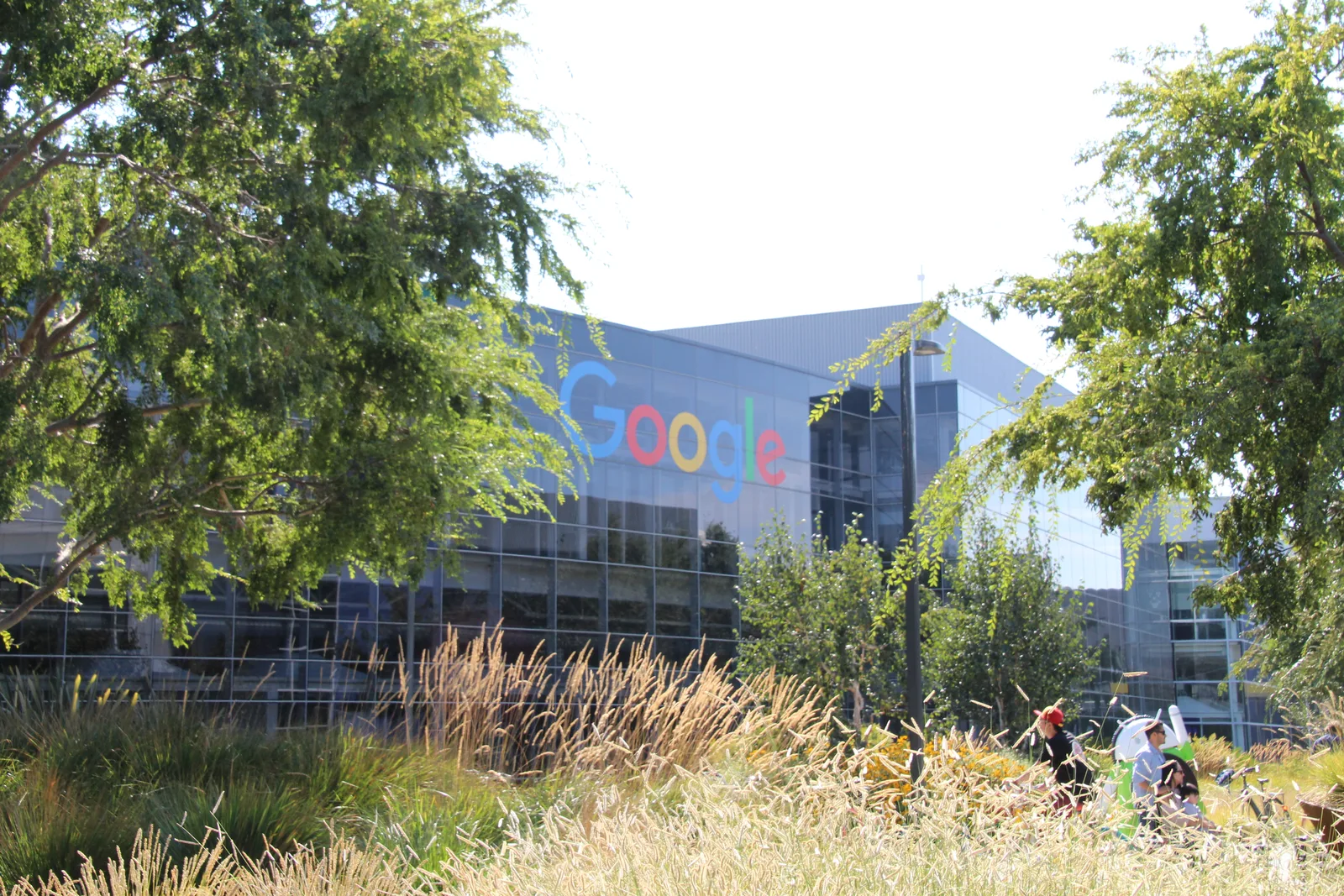
Alphabet nearly doubled Google Cloud revenue and still made investors nervous. The demand is obvious; the bill is becoming harder to ignore.
Google Cloud grew 82% and spending climbed again
Alphabet reported $119.8 billion in quarterly revenue, up 24% from a year earlier. Google Cloud revenue rose 82% to $24.8 billion, while its backlog reached $514 billion.
Those are unusually strong numbers. They also require an enormous amount of new infrastructure.
Alphabet raised its expected 2026 capital spending to between $195 billion and $205 billion, up from its previous range of $180 billion to $190 billion. The company also reported negative free cash flow of $5.9 billion for the quarter as spending accelerated.
Search revenue still grew 17%, which weakens the argument that AI answers are already destroying Google’s core business. The concern has shifted. Alphabet now has to prove that its spending pace will not outrun the revenue it is creating.
OpenAI secured 3.2 gigawatts in Georgia
OpenAI announced Project Camellia, a data-center campus it is designing in Effingham County, Georgia.
The power requirement is 3.2 gigawatts, delivered in phases from 2028 through 2032 under a long-term agreement with Georgia Power. OpenAI says it will cover the infrastructure and electricity-service costs rather than passing them to existing customers.
The company is also promising closed-loop cooling, limited water use and curtailment during periods of grid stress. Those commitments respond directly to the local opposition now slowing data-center projects across the country.
This is infrastructure procurement on utility timescales. Model roadmaps may change every few months, but power contracts and transmission projects stretch across decades.
Tesla’s AI pivot raised its costs
Tesla’s second-quarter update showed why its shift toward robotaxis and robotics will be expensive before it becomes profitable.
Revenue rose 26% to $28.24 billion, helped by stronger vehicle deliveries and energy storage. Net income fell to $1.11 billion, while research and development spending increased 49% to $2.37 billion.
Tesla now expects capital spending to exceed $25 billion this year. That money supports vehicle factories, AI training systems, Robotaxi expansion and the early manufacturing work behind Optimus.
The company says its Robotaxi service now operates in seven US markets, but deployment remains cautious. Investors are being asked to value a large autonomy business before Tesla has shown the operating scale or margins that would support it.
Reddit reconsidered the price of feeding Google
Reddit has discussed blocking Google’s access to its content for AI use as the companies negotiate a renewal of their licensing agreement, according to The Wall Street Journal.
The current deal is worth about $60 million per year. Reddit receives licensing revenue, while Google gets a steady stream of human discussions for model training and search answers.
The trade has become less attractive to publishers as AI-generated summaries reduce outbound clicks. Reddit, Politico, Reuters, USA Today and other media companies are now reconsidering how much content they should supply to a platform that may send fewer readers back.
Google’s earnings showed that AI can expand Search and Cloud revenue at the same time. Its next negotiation with Reddit will show how much of that value Google is willing to share with the sites supplying the underlying material.
Discussion
Join the conversation
Share your perspective on this story and discuss it with other readers.