Kimi K3 Hits a Capacity Wall as Alibaba Answers With Qwen3.8 Max
Moonshot paused some new Kimi K3 subscriptions after demand strained its compute capacity, Alibaba previewed Qwen3.8 Max, TSMC accelerated its Arizona expansion, and data-center opposition spread across the United States.
Kimi K3 drew enough demand to strain Moonshot AI’s compute capacity within days of launch. Alibaba quickly introduced a competing model, while TSMC and US data-center developers faced the physical side of the same AI expansion.
Moonshot paused new Kimi subscriptions
Moonshot AI temporarily stopped accepting some new Kimi subscriptions after user requests approached the limits of its existing clusters.
Current paid users kept access. Moonshot also said future memberships would be split into separate plans, including one focused on coding, so it can allocate compute more precisely.
Kimi K3 contains 2.8 trillion total parameters and targets coding, research and agent-style work. Those tasks can require many model calls during a single session, making them expensive to serve.
The company is also seeking fresh funding and preparing for a possible Hong Kong listing, according to Reuters.
Alibaba previewed Qwen3.8 Max
Alibaba introduced Qwen3.8 Max, a 2.4-trillion-parameter model that is already available through selected coding platforms.
Alibaba says its internal evaluation places the model behind only Anthropic’s Fable 5. Independent testing has not yet established that ranking, and the company has not released the weights.
The timing puts immediate pressure on Moonshot. Kimi K3 may have captured the first wave of attention, but Alibaba brings a mature model family, cloud distribution and far greater infrastructure.
TSMC accelerated its Arizona buildout
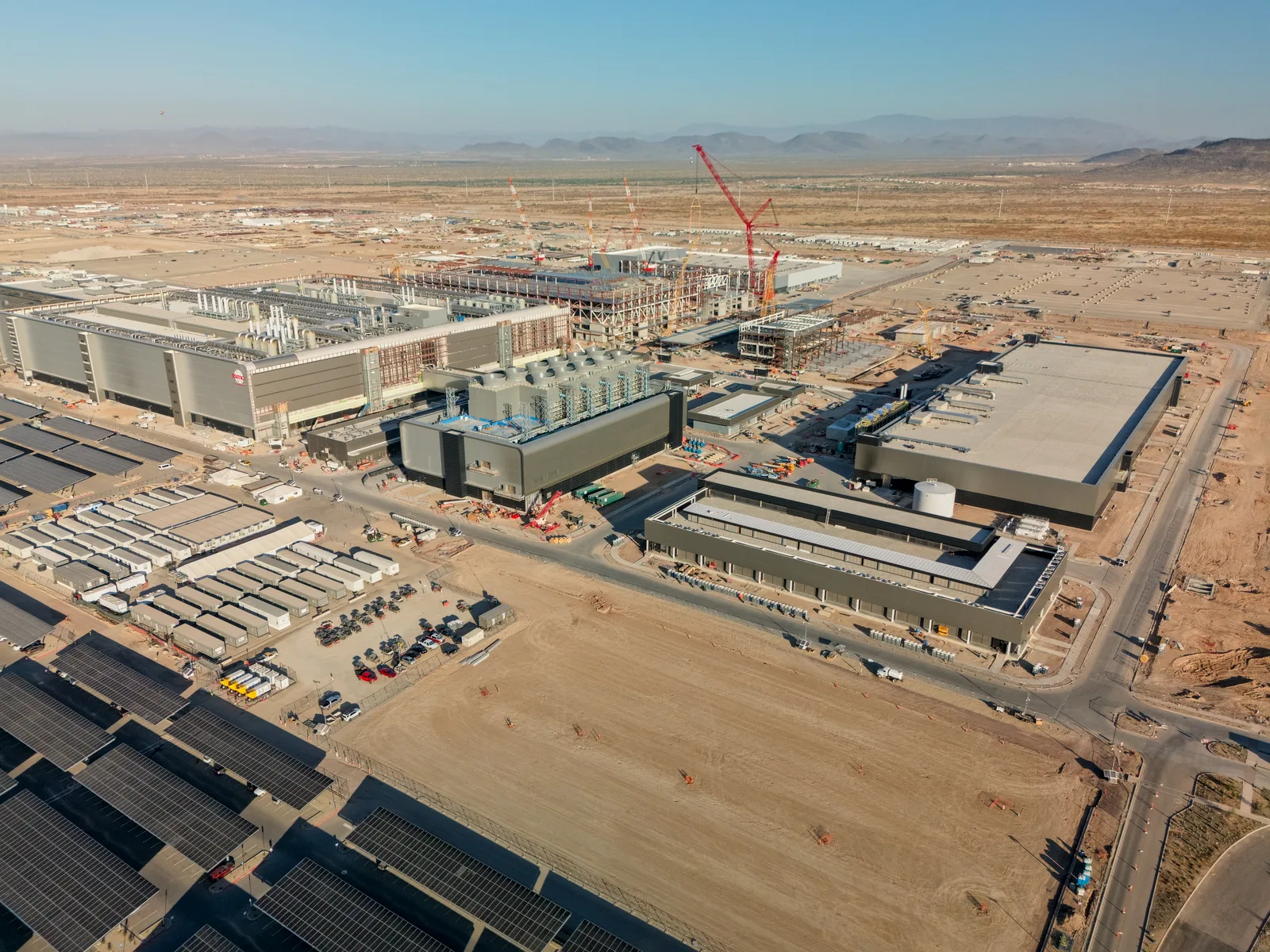
TSMC expects strong, multi-year demand for advanced AI chips and is increasing its planned Arizona investment to $265 billion.
Its first Arizona fab is operating with yields comparable to the company’s leading facility in Taiwan. Equipment will soon enter the second plant, construction is underway on a third, and early work has begun on additional fabrication and packaging facilities.
TSMC still faces practical limits, including construction labor and local infrastructure. The scale of the plan shows that the company expects AI chip demand to remain high well beyond the current product cycle.
Data-center opposition went national
Opponents of large data centers held 142 protests across 42 US states on Saturday.
The complaints were familiar: electricity costs, water use, tax incentives and limited community input. What changed was the coordination. Protests appeared in conservative states, Democratic strongholds and politically mixed suburbs.
A Reuters/Ipsos poll found that only 14% of respondents would support an AI data center in their own community.
The industry is still expanding, but permitting and local negotiations are becoming harder to treat as minor details. Power and chips may be available long before a community agrees to host the buildings.
Discussion
Join the conversation
Share your perspective on this story and discuss it with other readers.