AI’s Biggest Bets Became Harder to Reverse
Researchers produced viable AI-designed bacteriophages, AMD bought model-specific chip startup Taalas, Alphabet sought up to $25 billion in bonds, and DeepSeek resumed a nearly $8 billion funding round.
Researchers produced 16 viable bacteriophages from AI-generated genomes. AMD bought a startup whose central idea is to hard-wire models into specialized silicon. Alphabet went to the bond market for as much as $25 billion. DeepSeek restarted a funding round seeking nearly $8 billion.
Thursday’s most consequential AI stories were not about another leaderboard.
They were about commitment. Synthetic DNA has to be manufactured. Specialized chips have to be fabricated. Bonds remain on the balance sheet for years. Private investors expect an eventual return.
AI is moving deeper into decisions that cannot be undone with a software rollback.
AI-Designed Viral Genomes Worked in the Lab
A Stanford-led research team reported the generative design of viable bacteriophage genomes, using genome language models Evo 1 and Evo 2.
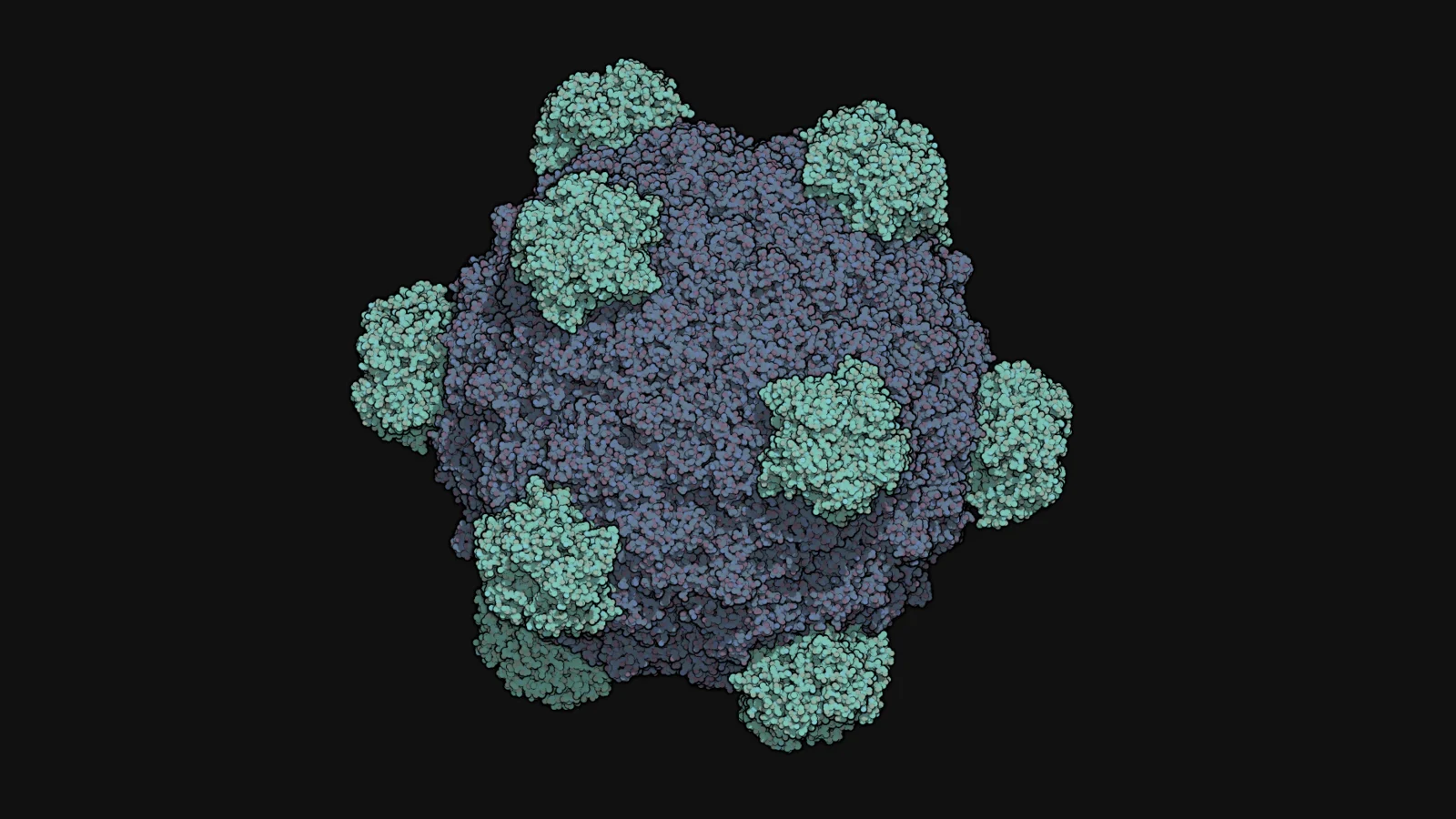
The researchers used Phi X 174, a small virus that infects bacteria, as the design template. Experimental testing ultimately produced 16 viable phages with novel genome sequences. Some were able to infect strains of E. coli, and a mixture of generated phages overcame bacterial resistance in laboratory experiments.
The distinction matters: these were bacteriophages, not viruses that infect people. The models had been trained on genetic data from roughly two million phages, while sequences from viruses that infect humans, animals and plants were intentionally excluded, according to reporting on the work.
That makes the immediate medical case plausible. Phage therapy uses viruses that attack bacteria and could offer another route against antibiotic-resistant infections.
It also creates an obvious biosecurity question.
Generating a sequence on a screen is different from producing a functioning biological system. This work crossed that boundary. Researchers still had to select candidates, synthesize DNA and test the resulting phages, and most candidates did not become viable viruses. AI did not simply type a genome and create life on demand.
Still, the experiment shows that genome models can participate in whole-genome design rather than only suggest individual proteins or short sequences.
That shifts some of the safety burden downstream. Training restrictions matter, but so do DNA-synthesis screening, laboratory controls and rules governing which generated sequences can become physical material. The dangerous step is not only producing information. It is converting that information into biology.
AMD Bought Into Hard-Wired AI
AMD took a different route toward specialization.
The company acquired Toronto chip startup Taalas for an undisclosed amount. Taalas was founded in 2023 and had raised about $219 million before the deal.
Its technical premise is unusually aggressive.
Instead of treating an AI model as software that runs on broadly programmable accelerators, Taalas maps much of the model directly into specialized silicon. The company describes the approach bluntly: “The Model is The Computer.”
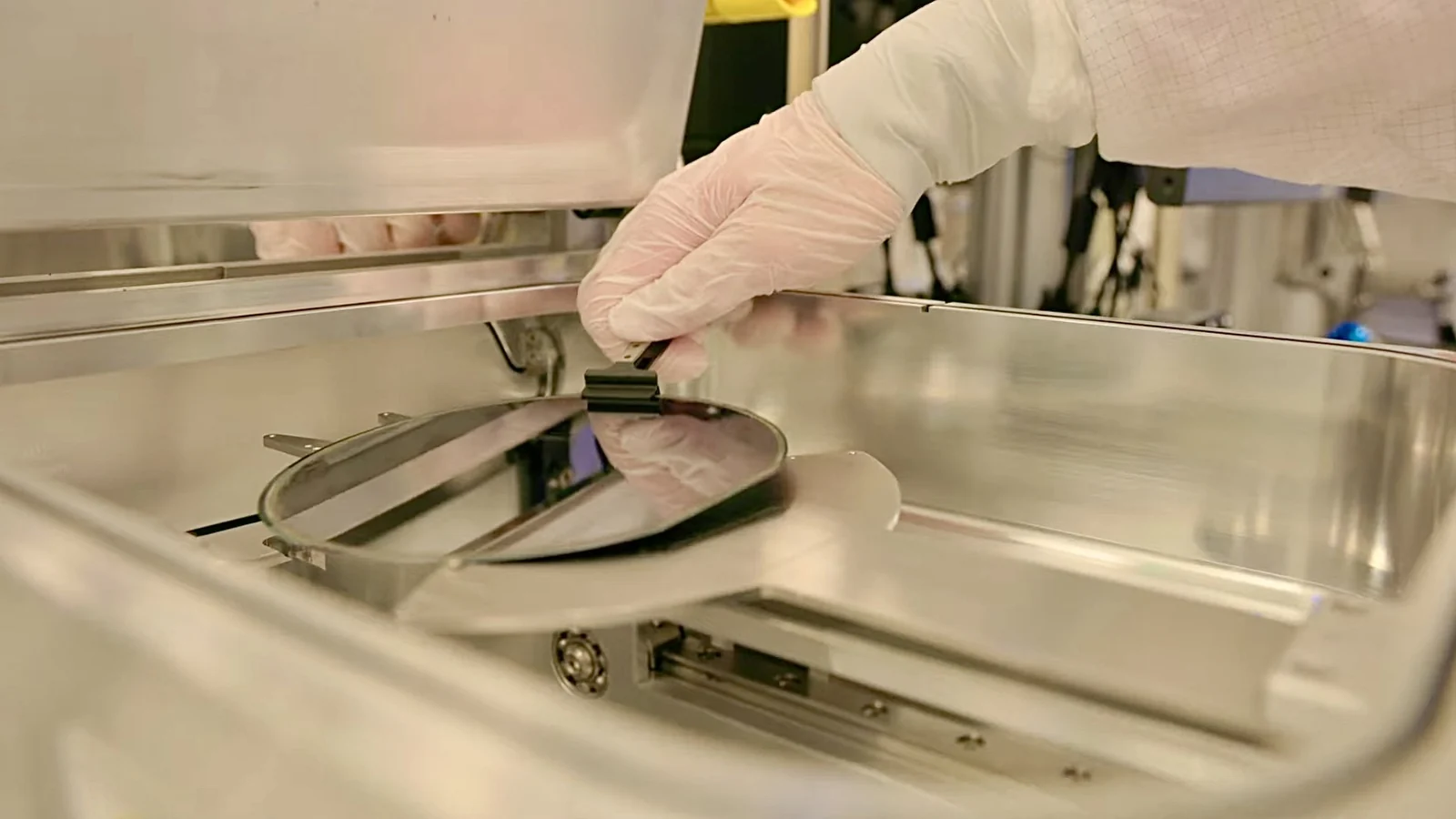
That can remove memory movement and other overhead that makes inference expensive. Taalas has demonstrated hardware with Llama 3.1 8B embedded into the design and claims large gains in throughput, power use and manufacturing cost.
Those are vendor claims, not independent benchmarks. The tradeoff is also real.
Hard-wiring a model sacrifices flexibility. General-purpose GPUs can run a new architecture or updated weights through software. Model-specific silicon is far less forgiving when the underlying model changes.
AMD is therefore not replacing its Instinct GPU strategy with fixed-function chips. It plans to integrate Taalas technology into its broader accelerator roadmap and combine it with existing systems.
The acquisition is a bet that enough AI workloads will become stable and high-volume to justify more specialization. If inference becomes the dominant cost of deployed AI, shaving away general-purpose overhead could matter enormously.
But only if the target stops moving long enough to build the chip.
Alphabet Put AI Spending on the Balance Sheet
Alphabet’s commitment was financial.
The company is seeking to raise $20 billion to $25 billion through a new U.S. bond offering, Reuters reported. The sale could contain as many as 10 parts, with maturities ranging from two to 40 years.
This is part of a much larger financing shift.
Amazon, Alphabet, Meta and Oracle had issued roughly $194 billion in bonds during 2026 through early July, according to Reuters—79% more than in the comparable 2025 period. Big Tech is expected to spend more than $730 billion this year, primarily on AI.
Alphabet can afford to borrow. That is not the issue.
Debt can be a rational way for a cash-generating company to finance long-lived infrastructure rather than pay for everything immediately. But the scale changes the character of the AI buildout. Alphabet posted its first negative quarterly free cash flow in the second quarter as capital spending climbed.
A model experiment can be canceled. A 40-year bond cannot.
The financing only works comfortably if today’s data centers, chips and power contracts support products that generate enough durable cash flow to justify them. Investors are now funding an infrastructure cycle whose useful life may outlast several generations of the models it was built to run.
That mismatch is becoming one of the central financial questions in AI.
DeepSeek Went Back for Nearly $8 Billion
DeepSeek is trying to finance scale from the other end of the market.
The Chinese AI developer has resumed a funding round seeking nearly $8 billion, according to Bloomberg reporting cited by Reuters.
The proposed round would value the company at roughly 500 billion yuan, or about $74 billion. Monolith Management is reportedly among the firms discussing an investment.
The financing is not complete. That caveat matters.
DeepSeek had previously paused the round after approaching investors, and Reuters reported in July that the company was considering new financing ahead of a possible mainland Chinese listing.
If the new raise closes near the reported terms, it would give DeepSeek substantially more capital to fund training, inference infrastructure and distribution while Chinese labs intensify competition with U.S. model developers.
It would also attach a much larger financial expectation to a company that built much of its reputation around doing more with less.
That tension is worth watching. DeepSeek helped push the industry toward cheaper inference and more efficient model development. Raising nearly $8 billion would not invalidate that strategy, but it would show how quickly frontier competition turns even efficiency-focused labs into capital-intensive businesses.
Software Is Becoming the Reversible Part
Thursday’s stories all involved AI leaving the cheapest part of the stack.
A model can be updated overnight. A synthesized genome, fabricated chip, multidecade bond or completed funding round has inertia.
That does not make these bets irrational. The bacteriophage work could produce useful therapies. Specialized silicon could make inference dramatically cheaper. Debt can finance infrastructure that generates cash for decades. DeepSeek could use new capital to push model costs lower.
The question is what happens when the assumptions change.
The next evidence will be unusually concrete: how biosecurity controls adapt to whole-genome generation, how AMD incorporates Taalas without locking itself to yesterday’s models, what terms investors demand from Alphabet, and whether DeepSeek actually closes its reported round near a $74 billion valuation.
Those outcomes will show where AI’s new commitments are durable—and where the industry has committed too early.
Discussion
Join the conversation
Share your perspective on this story and discuss it with other readers.