AI Watchlist: Kimi K3, Qwen3.8 Max and a Big Week for AI Infrastructure
Five AI developments to track this week: Kimi K3’s capacity limits, Alibaba’s Qwen3.8 Max preview, the follow-through from WAIC, Alphabet and Tesla earnings, and new signals from AMD and Intel.
Monday begins with one Chinese AI company rationing access to a hit model and another trying to steal its attention.
The rest of the week moves quickly from model launches to earnings calls, chips and data centers. Here are five developments worth tracking through July 26.
Can Moonshot stabilize Kimi K3?
Moonshot AI paused some new Kimi subscriptions after demand pushed its compute clusters close to their limits.
The company says existing paid users remain unaffected and new spots will reopen as capacity grows. Kimi K3 is unusually expensive to serve because coding and agent workflows may require repeated model calls over long sessions.
Watch for:
- New subscription availability
- API pricing and rate limits
- The promised weight release
- Independent coding tests
- Progress toward Moonshot’s possible Hong Kong IPO
A fast recovery would show that Moonshot can operate K3 at scale, not merely launch it.
Alibaba’s Qwen3.8 Max needs outside testing
Alibaba previewed Qwen3.8 Max, a 2.4-trillion-parameter model available through selected coding platforms. The company plans an open-weight release and says the model ranks just behind Anthropic’s Fable 5 in its own testing.
That ranking should be treated as provisional.
The useful details will be the license, inference cost, hardware requirements and performance on large software projects. Alibaba also has an advantage Moonshot lacks: an established cloud platform that can put Qwen directly in front of enterprise customers.
What remains after WAIC closes?
The World Artificial Intelligence Conference ends Monday after hundreds of product announcements and a major push by China to present open AI as part of its international technology strategy.
Most conference announcements will fade quickly. A smaller group may produce repositories, technical reports, commercial deployments or international partnerships.
Watch for actual releases from model developers and robotics companies, along with clearer terms behind China’s proposed AI cooperation programs. Product availability will tell us more than the final conference tally.
Alphabet and Tesla report Wednesday
Alphabet and Tesla both release quarterly results on July 22.
For Alphabet, the main AI questions involve Gemini, Google Cloud demand, Search economics and capital spending. Investors will listen for a concrete model timeline and evidence that infrastructure spending is producing revenue.
Tesla’s call should be judged through robotaxi operating data. Fleet size, paid rides, intervention rates and expansion plans are more useful than another distant autonomy target.
These companies sell very different AI stories. Both now need numbers.
AMD and Intel take over Thursday
AMD’s Advancing AI 2026 event and Intel’s second-quarter earnings arrive on July 23.
AMD is expected to discuss accelerators, networking, rack-scale systems and ROCm. A major customer or deployment would carry more weight than another isolated performance claim.
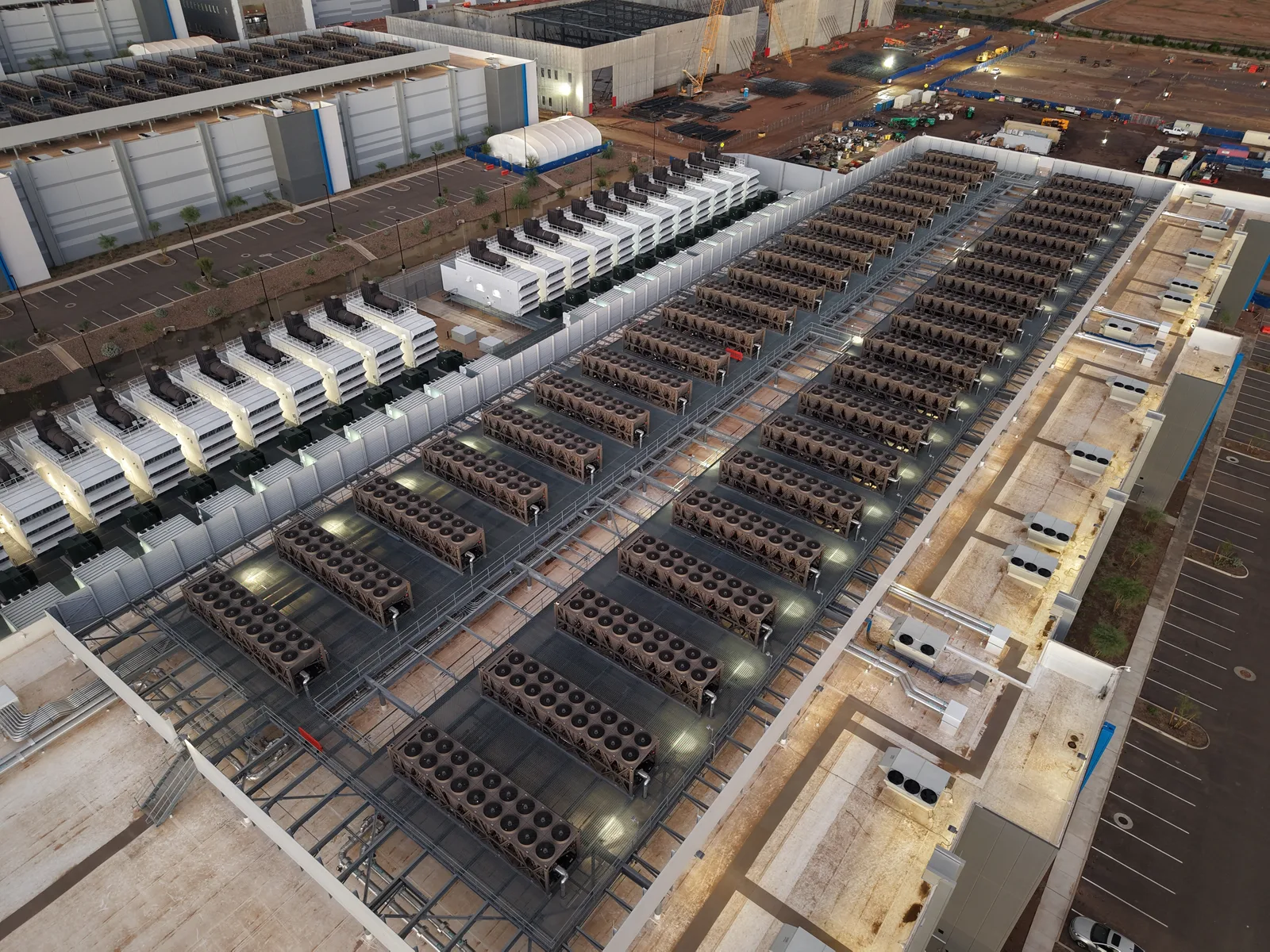
Intel will face questions about its foundry roadmap, data-center business and place in the AI chip market. Its results land as TSMC accelerates a huge Arizona expansion and Nvidia remains the standard that every competing platform is measured against.
By Friday, the model race should have more independent evidence and the infrastructure race should have more financial detail.
Discussion
Join the conversation
Share your perspective on this story and discuss it with other readers.