Daily Insights: June 11, 2026
Apple’s AI reset, Anthropic’s model-access controversy, OpenAI’s IPO push, and the infrastructure race led this week’s AI news cycle.
The past seven days of AI coverage had one clear theme: AI is moving from product demos into infrastructure, capital markets, regulation, and platform control.
Across the Axon Review news feed, the strongest clusters centered on Apple’s AI reset, Anthropic’s restricted model rollout, OpenAI’s IPO push, and a wave of compute-heavy infrastructure deals.
The main story this week was not one breakthrough. It was the AI industry becoming more expensive, more regulated, and more tied to physical infrastructure.
Apple tries to reset its AI story
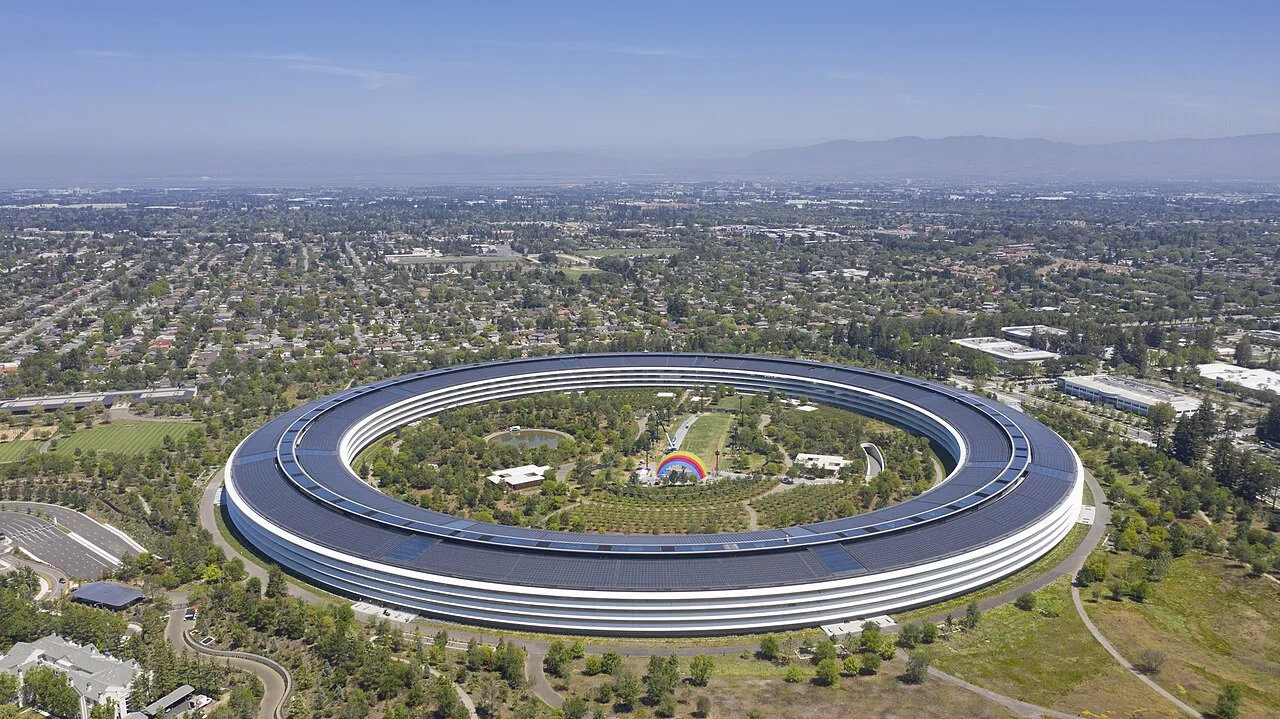
Apple’s WWDC coverage was one of the largest clusters in the feed. Stories focused on Siri, Apple Intelligence, iOS 27, Liquid Glass, and Apple’s effort to recover from a year of AI skepticism.
The key signal: Apple is still trying to make AI feel native to its ecosystem, not like a chatbot bolted onto the side. Several stories also pointed to Google and Nvidia as part of Apple’s AI strategy, which suggests Apple may lean more on outside model and infrastructure partners than it once implied.
Apple’s advantage is still distribution. Its weakness is urgency.
Anthropic turns safety into a product problem
Anthropic generated major coverage around its Fable/Mythos-style model rollout, safety restrictions, developer backlash, and broader questions about whether governments should be able to block dangerous frontier models.
The tension is simple: users want stronger models, while AI labs want tighter guardrails. That conflict is now becoming a product problem, not just a research debate.
Anthropic wants to be seen as the careful frontier lab. But if safety restrictions make the product feel weaker or less useful, developers will push back.
OpenAI moves toward Wall Street
OpenAI appeared repeatedly in stories about a confidential IPO filing, a possible ChatGPT “superapp” overhaul, and broader competition with Anthropic.
The IPO coverage matters because it signals a new phase. OpenAI is no longer just being judged like a research lab. It is increasingly being judged like a future public platform company.
That means margins, infrastructure costs, enterprise adoption, pricing power, and investor appetite will matter more. The AI lab era is merging with the Wall Street era.
Infrastructure becomes the hidden battlefield
The strongest business signal was infrastructure.
The feed included major clusters around Google reportedly paying SpaceX for compute capacity, Broadcom/Apollo/Blackstone’s AI infrastructure platform, Anthropic compute financing, Oracle AI backlog, Super Micro equipment funding, TSMC sales strength, and Nvidia chip restrictions involving China.
The point is blunt: AI is now a capital-intensive infrastructure race. Chips, cloud capacity, data centers, energy, and financing are becoming as important as model announcements.
Regulation spreads beyond safety
Policy coverage also broadened.
The EU ordered Meta to stop blocking rival AI chatbots on WhatsApp. OpenAI said China-linked fake accounts tried to influence U.S. data center debates. Other stories touched Nvidia export controls, AI worker-rights concerns, deepfakes, scams, and platform access.
The regulatory story is no longer just “AI safety.” It now includes distribution, chips, data centers, labor, security, and geopolitics.
Final read
This week’s AI news was about the industry hardening into a bigger system.
Models still matter. But the stronger signal is that AI is now being shaped by platforms, compute, capital, regulation, energy, chips, and labor pressure all at once.
That is the story to keep watching.
Discussion
Join the conversation
Share your perspective on this story and discuss it with other readers.